


Semi-Automatic 32140 & 33140 Cylindrical Battery Pack Assembly Line Solution
Battery Pack Assembly Line Solution for 32140 and 33140 Cells
The cylindrical battery assembly line is designed for manufacturers producing battery packs for electric two-wheelers and three-wheelers, power tools, portable power stations, and other applications compatible with 32140 and 33140 cylindrical cells.
ACEY provides integrated semi-automatic battery pack assembly line solutions for manufacturers working with 32140 and 33140 cylindrical lithium-ion cells.
Rather than supplying a fixed equipment package, we help customers select and configure the machines according to their cell specifications, battery pack design, production targets, factory layout, and investment budget. This approach enables manufacturers to establish a practical production process while maintaining flexibility for future product development and capacity expansion.
Complete Assembly Process
|
Process |
Recommended Equipment |
Configuration Considerations |
|
Cell Capacity Grading |
Test voltage, current, channel count, and grading method |
|
|
Insulation Paper Pasting |
Cell dimensions, insulation material |
|
|
OCV and ACIR sorting |
Sorting channels, measurement requirements, and barcode options |
|
|
Cell arrangement and polarity |
Inspection targets, camera arrangement, and detection criteria |
|
|
Battery Pack Spot Welding |
Pack layout, connector material, welding method, and output |
|
|
BMS Testing |
Series count, current range, communication, and protection tests |
|
|
Battery Pack Comprehensive Testing |
Pack voltage, charge/discharge current, and test items |
|
|
Heat Shrink Packaging |
Package dimensions and film type |
|
|
Inkjet Coding |
Printing content and traceability requirements |
|
|
Battery Pack Aging Testing |
Pack voltage, current, channels |
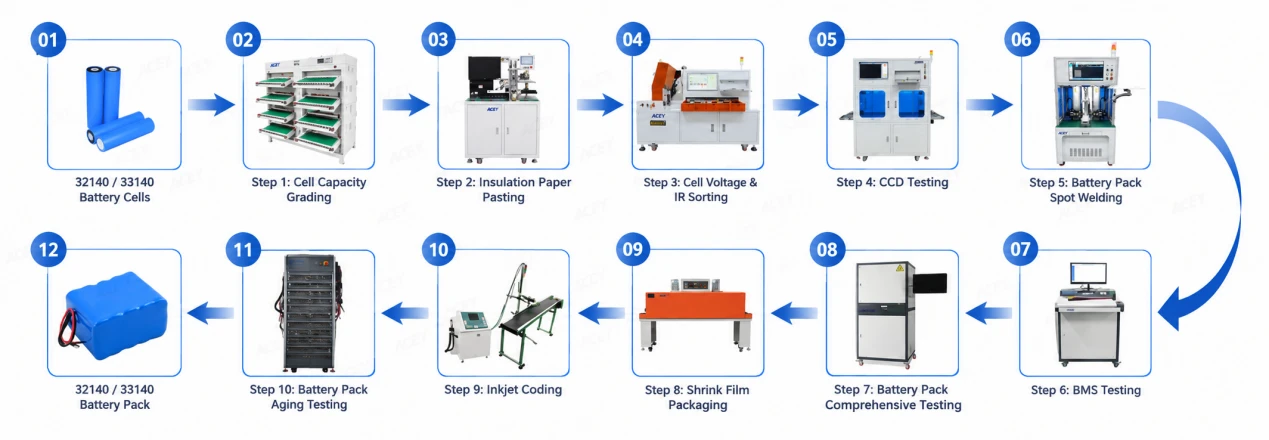
Each stage serves a specific purpose in the production process. Equipment selection and process settings can be adapted to the customer's cell chemistry, pack configuration, interconnection design, and quality requirements.
Step 1: Battery Cell Capacity Grading
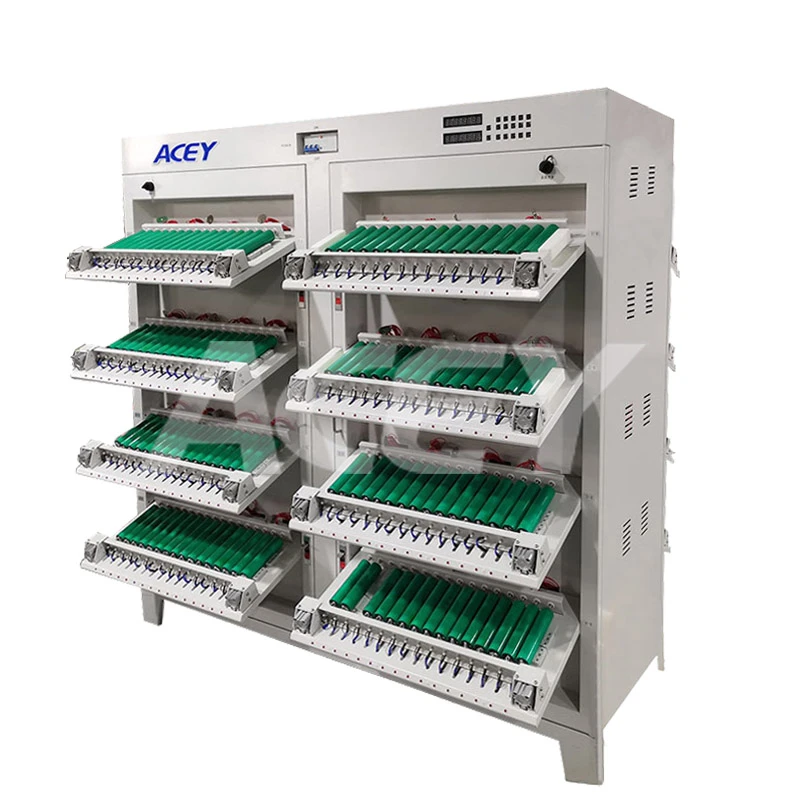
The cell grading machine evaluates cell performance through controlled charge and discharge testing. Depending on the selected equipment, the system can record capacity, voltage, and other relevant test data for subsequent classification.
Grouping cells with compatible performance characteristics helps improve consistency within the assembled battery pack. Channel configuration, current range, and testing programs are selected according to the actual cell specifications and production requirements.
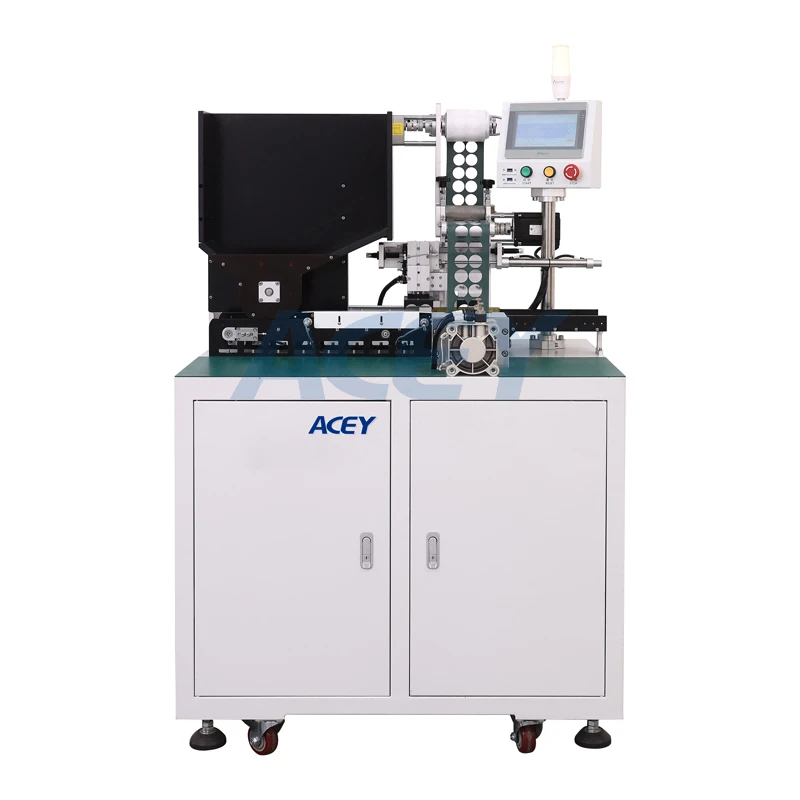
Step 2: Insulation Paper Pasting
Insulation paper pasting machine applies insulating paper to the specified terminal area before pack assembly.
Consistent insulation placement helps reduce the risk of unintended electrical contact during cell arrangement and pack assembly. Replaceable tooling can be configured for supported cell formats, including 32140 and 33140, subject to the selected machine design.
Step 3: Cell Voltage and Internal Resistance Sorting

After insulation application, the battery cell sorting machine measures voltage and internal resistance and groups cells according to predefined acceptance criteria.
Consistent electrical characteristics are important for reducing cell-to-cell variation within a battery pack. Optional channel configurations and barcode scanning can be considered when production throughput and cell identification requirements justify them.
Step 4: CCD Visual Inspection
The CCD inspection system uses industrial imaging to inspect designated cell features, including the positive and negative electrode areas.
Automated visual inspection helps identify specified appearance or positioning issues before cells enter the welding process. Inspection criteria should be defined according to the actual cell structure and quality-control requirements.

Step 5: Battery Pack Spot Welding

The battery pack spot welding machine is used to connect cylindrical cells with specified conductive connectors and interconnection materials, forming the required series-parallel configuration. ACEY can configure manual, single-side automatic, or double-side automatic spot welding equipment according to pack geometry, welding requirements, and production targets.
Welding parameters, electrode selection, fixture design, and monitoring requirements should be validated using the customer's actual cells and connecting materials. This helps establish repeatable welding quality and reduces the likelihood of missed or inconsistent welds.
Step 6: Battery Management System (BMS) Testing
The BMS tester machine evaluates the selected battery management system's supported functions during pack integration, depending on the customer's process design. Depending on the tester configuration, test items may include overvoltage and undervoltage protection, overcurrent protection, temperature protection, short-circuit protection, and cell-balancing functions.
The test program is selected according to the BMS hardware, communication protocol, protection thresholds, and battery pack specifications.

Step 7: Battery Pack Comprehensive Testing
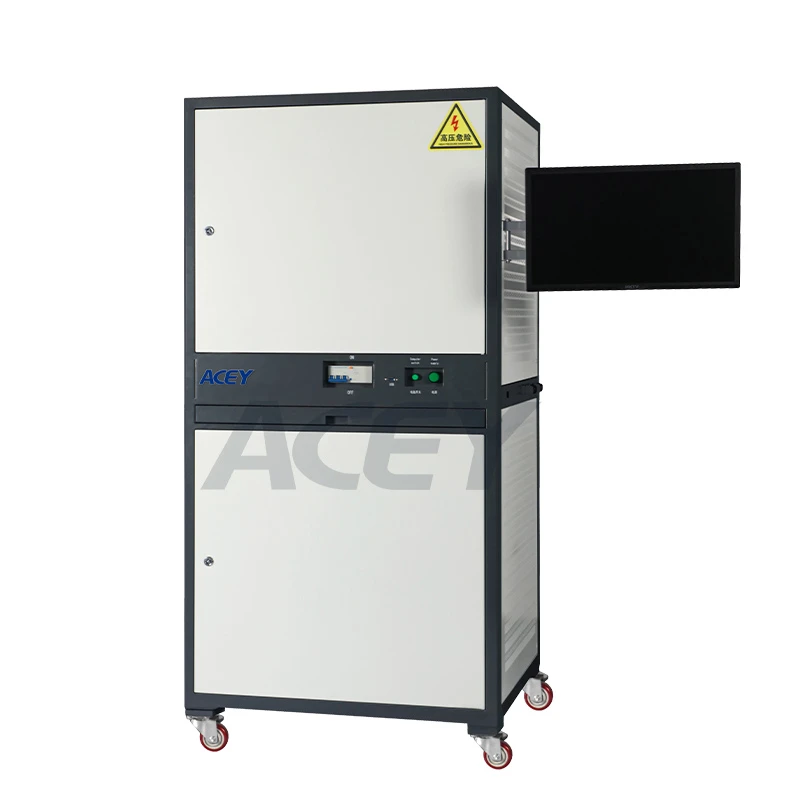
After assembly, the battery pack comprehensive testerchecks key electrical and protection characteristics against the defined acceptance criteria. Depending on the equipment configuration, test items may include open-circuit voltage, internal resistance, charge and discharge performance, protection response, and related electrical parameters.
This stage helps identify potential assembly or electrical issues before packaging and final release. Test limits and procedures should be established according to the battery pack design and applicable customer requirements.
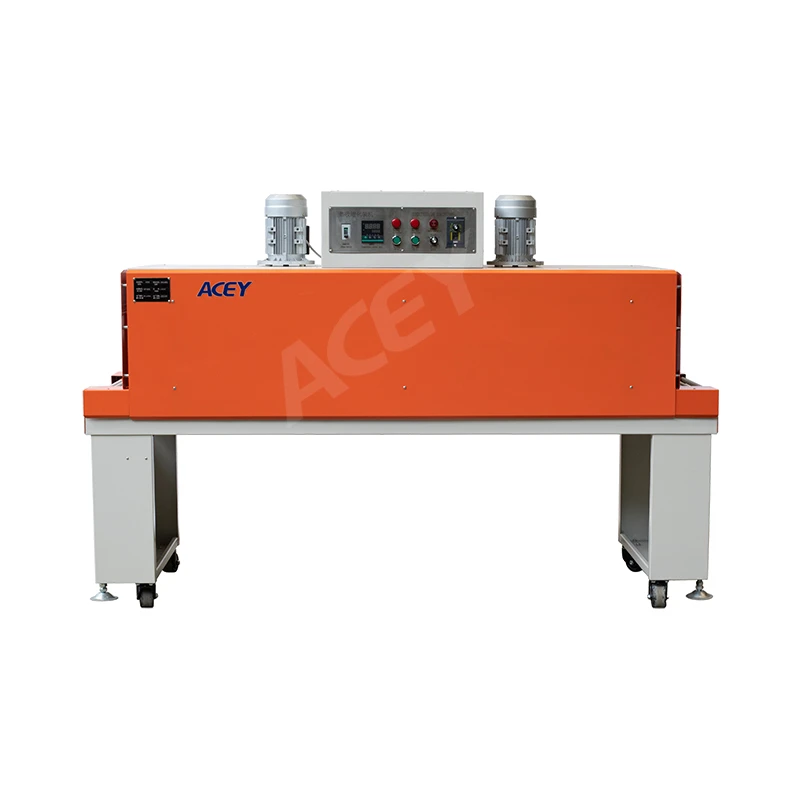
Step 8: Heat Shrink Packaging
The heat shrink packaging machine applies and shrinks compatible insulating or protective film around the battery pack or its designated enclosure.
Film selection, tunnel temperature, conveyor speed, and packaging dimensions must be matched to the product structure and material specifications. A properly configured process helps achieve a neat, consistent package appearance.
Step 9: Battery Pack Inkjet Coding and Identification
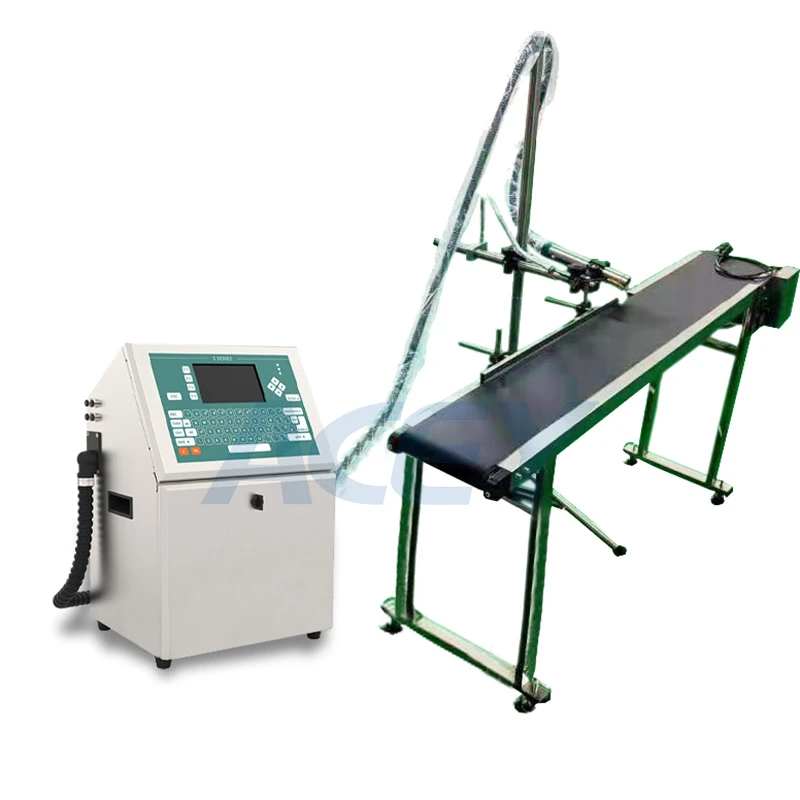
The inkjet batch coding machine prints required identification information on the designated product surface or packaging.
Depending on the system configuration, the printed information may include model numbers, production dates, batch codes, serial numbers, or other identification fields. Coding supports product identification and production record management.
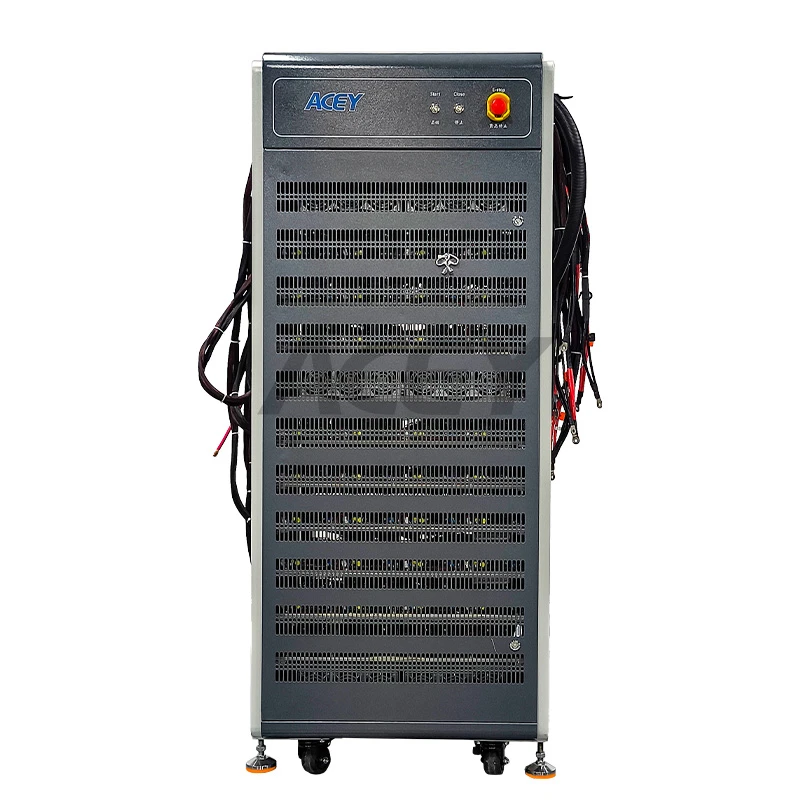
Step 10: Battery Pack Aging Testing
The battery aging machine subjects finished battery packs to defined operating conditions for a specified period or test cycle. Depending on the selected equipment, the process may monitor voltage, current, capacity-related parameters, and other configured test data.
Abnormal results can be reviewed against established acceptance limits before the products proceed to final inspection and shipment.
Test voltage, current, channel count, and aging procedures should be determined from the finished battery pack specifications.
Why Choose a Semi-Automatic Assembly Line?
Flexible Equipment Configuration
A semi-automatic line consists of individual machines selected around the actual production process. Customers can prioritize essential operations first and add equipment or automation functions as requirements evolve.
01
Practical Initial Investment
Compared with a fully automatic production line, a semi-automatic configuration can reduce the initial investment required for suitable small-to-medium-scale production, pilot manufacturing, or projects with changing product models.
02
Better Process Organization
Dedicated equipment for grading, sorting, inspection, welding, and testing helps establish clearer process stages and quality checkpoints. This makes it easier to identify where defects occur and refine production procedures.
03
Adaptability to Different Pack Designs
32140 and 33140 cell formats can be accommodated when the selected equipment, tooling, and process parameters are compatible. Switching between models may require fixture changes, parameter adjustments, or other setup work.
04
A Path Toward Future Expansion
The line can be planned with future capacity growth in mind. Depending on the original equipment selection and factory layout, customers may add channels, introduce automatic handling, or upgrade selected operations over time.
05
Customized Solutions Based on Your Production Requirements
No two battery pack projects are exactly alike. The appropriate equipment configuration depends on the relationship between the cell, pack design, required output, testing standards, and available factory resources.
ACEY works with customers to evaluate the following project details:
- Cell specifications: 32140 or 33140 cell dimensions, chemistry, nominal voltage, capacity, and relevant electrical characteristics.
- Battery pack design: Series-parallel configuration, pack dimensions, connecting materials, BMS requirements, and enclosure design.
- Target production capacity: Required output per shift or day, planned operating hours, and expected product mix.
- Factory conditions: Available floor space, operator workflow, power supply, and equipment arrangement.
- Investment and expansion plans: Preferred automation level, initial budget, and potential future capacity increases.
Based on these details, we can recommend an appropriate equipment combination and discuss the main process stages, machine specifications, and potential upgrade options.
Frequently Asked Questions
Q1: Can the same assembly line handle both 32140 and 33140 cylindrical cells?
Potentially, yes. The selected machines must support both cell formats. Depending on the equipment, switching between formats may require replacement tooling, fixture adjustments, parameter changes, or inspection-program updates. Compatibility should be confirmed before ordering.
Q2: Can I purchase only part of the assembly line?
Yes. Customers can select individual machines or build the production line in stages, depending on their existing equipment and project budget. We can review the current production process and identify the equipment needed to fill specific gaps.
Q3: How do you determine the appropriate production capacity?
The configuration depends on the required daily output, pack design, testing duration, operator arrangement, and degree of automation. We recommend evaluating these factors together rather than estimating capacity from a single machine's rated speed.
Q4: Can the equipment configuration be customized for our battery pack?
Yes. Equipment selection can be discussed according to cell specifications, series-parallel configuration, welding requirements, BMS functions, test parameters, and factory layout. Final compatibility and performance should be confirmed against the project's technical requirements.
Discuss Your 32140/33140 Battery Pack Assembly Project with ACEY
ACEY provides battery pack assembly equipment and customized assembly line solutions to help customers develop a production setup aligned with their technical and commercial objectives.
Tell us about your 32140 or 33140 battery pack project. Share your cell specifications, pack drawings, target output, and budget range, and our team can help you evaluate the equipment configuration that best fits your requirements.
Contact ACEY to discuss your project and request a customized equipment proposal.