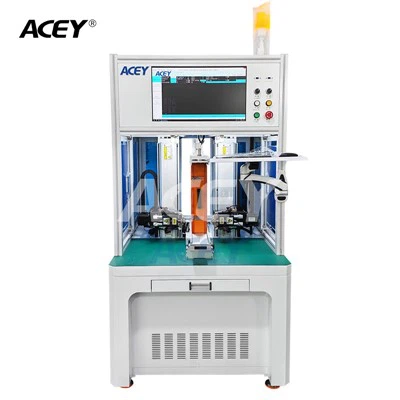
When it comes to using a PVC shrinking machine for thin - walled PVC products, there are several key considerations that can make or break the process. As a PVC shrinking machine supplier, I've seen firsthand the importance of getting these details right. Let's dive into what you need to keep in mind.
Machine Selection
The first step is choosing the right PVC shrinking machine for your thin - walled PVC products. There are different types available, like the Automatic Cylindrical Cell Sleeving Machine, Automatic Heat Shrink Machine, and Heat Shrinking Machine.
For thin - walled PVC products, you need a machine that can provide precise and even heat distribution. Uneven heat can cause the thin walls to warp or shrink unevenly, leading to a poor - quality finish. Machines with adjustable temperature controls are a great choice. This way, you can fine - tune the heat according to the specific requirements of your thin - walled PVC items.
Another factor in machine selection is the speed of the shrinking process. Some thin - walled PVC products may be more delicate and require a slower shrinking speed to avoid damage. Look for a machine that allows you to adjust the conveyor speed or the heat application time. This gives you more control over the process and helps ensure that your products come out looking great.
PVC Material Characteristics
Understanding the characteristics of the thin - walled PVC material is crucial. Different PVC formulations have different shrinkage rates, melting points, and flexibility. You need to know these properties before starting the shrinking process.
The shrinkage rate of the PVC material determines how much it will shrink when exposed to heat. If you don't account for this, the final product may end up too small or too tight - fitting. You can usually find the shrinkage rate information from the PVC material supplier. Make sure to test a small sample of the thin - walled PVC with your shrinking machine to confirm the actual shrinkage.
The melting point of the PVC is also important. If the heat from the machine is too high, the thin - walled PVC may melt instead of shrinking properly. On the other hand, if the heat is too low, the shrinkage may not be sufficient. You should always start with a lower temperature and gradually increase it while monitoring the results.
Flexibility is another aspect to consider. Some thin - walled PVC products are more flexible than others. More flexible materials may require a gentler shrinking process to prevent them from losing their shape. You may need to adjust the heat and the pressure applied during the shrinking process accordingly.
Pre - treatment of PVC Products
Before using the shrinking machine, it's a good idea to pre - treat the thin - walled PVC products. Cleaning the products is essential. Any dirt, dust, or grease on the surface can interfere with the shrinking process. Use a mild cleaning agent and a soft cloth to wipe the products clean.
Inspecting the thin - walled PVC products for any defects is also important. Cracks, holes, or weak spots can cause problems during the shrinking process. If you find any defects, you may need to repair or discard the products.
In some cases, you may want to pre - stretch the thin - walled PVC products slightly. This can help the material shrink more evenly and reduce the risk of wrinkles or folds. However, be careful not to over - stretch the thin walls, as this can damage the material.
Operator Training
Even the best PVC shrinking machine won't perform well if the operator doesn't know how to use it properly. Operator training is a must.
The operator should be trained on how to set the temperature, conveyor speed, and other machine parameters according to the characteristics of the thin - walled PVC products. They should also know how to load and unload the products safely and efficiently.
Training should also cover troubleshooting. Things can go wrong during the shrinking process, such as a jam in the conveyor or a sudden change in temperature. An operator who is trained to identify and fix these issues quickly can minimize downtime and prevent damage to the products.
Quality Control
Implementing a quality control system is essential when using a PVC shrinking machine for thin - walled PVC products. After each batch of products goes through the shrinking process, you should inspect them carefully.
Check for any signs of uneven shrinkage, such as wrinkles, bulges, or gaps. Make sure that the dimensions of the final products meet the specifications. You can use measuring tools like calipers or rulers to check the size.
If you find any defective products, you need to analyze the cause. It could be due to a problem with the machine settings, the PVC material, or the pre - treatment process. Once you identify the cause, you can take corrective action to prevent similar issues in future batches.
Safety Precautions
Safety should always be a top priority when using a PVC shrinking machine. The machine generates heat, which can be a fire hazard if not handled properly. Make sure the machine is installed in a well - ventilated area to prevent the build - up of heat and fumes.


Operators should wear appropriate personal protective equipment (PPE), such as heat - resistant gloves and safety glasses. This protects them from burns and other potential injuries.
Regular maintenance of the shrinking machine is also important for safety. Check the electrical connections, heating elements, and conveyor belts regularly to ensure that they are in good working condition. Loose connections or worn - out parts can pose a safety risk.
Cost - effectiveness
Running a PVC shrinking process for thin - walled PVC products should also be cost - effective. You need to consider the cost of the machine, the PVC material, energy consumption, and labor.
When it comes to the machine, look for a balance between quality and price. A high - quality machine may cost more upfront, but it can save you money in the long run by reducing the number of defective products and minimizing downtime.
Energy consumption is another significant cost factor. Choose a machine that is energy - efficient. Some machines are designed to use less energy while still providing the necessary heat for the shrinking process.
Labor costs can be reduced by choosing a machine that is easy to operate and requires less manual intervention. This allows your operators to handle more tasks efficiently and can improve overall productivity.
In conclusion, using a PVC shrinking machine for thin - walled PVC products requires careful consideration of machine selection, PVC material characteristics, pre - treatment, operator training, quality control, safety, and cost - effectiveness. By paying attention to these factors, you can ensure a successful shrinking process and produce high - quality thin - walled PVC products.
If you're interested in learning more about our PVC shrinking machines or have any questions about using them for your thin - walled PVC products, don't hesitate to reach out. We're here to help you make the most of your shrinking process and achieve the best results for your business.
References
- "PVC Materials Handbook" by a well - known PVC industry expert.
- Manufacturer's manuals of various PVC shrinking machines.