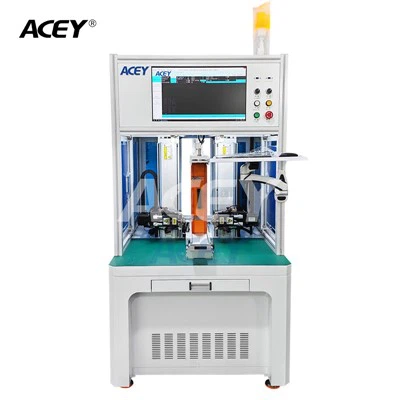
Hey there! As a supplier of Inkjet Batch Coding Machines, I often get asked a bunch of questions from customers. One question that pops up a lot is, "Can an Inkjet Batch Coding Machine be used in a corrosive environment?" Well, let's dive right into this topic and find out.


First off, let's understand what a corrosive environment is. A corrosive environment is one where there are chemicals, acids, or other substances that can eat away at materials over time. Industries like chemical manufacturing, food processing (where there might be acidic ingredients), and some parts of the pharmaceutical industry often have these kinds of environments.
Now, when it comes to Inkjet Batch Coding Machines, they are designed to do a specific job - print batch numbers, dates, barcodes, and other important information on various products and packaging. But can they handle the harsh conditions of a corrosive environment?
The answer isn't a simple yes or no. It depends on a few factors.
Machine Build and Materials
The first thing to consider is the build of the machine and the materials used in its construction. High - quality Inkjet Batch Coding Machines are often made with durable materials that can resist corrosion to some extent. For example, some machines have stainless - steel exteriors. Stainless steel is known for its resistance to rust and corrosion, which makes it a great choice for machines that might be exposed to harsh chemicals.
However, not all parts of the machine are made of stainless steel. The internal components, such as the ink delivery system and the print head, might be more vulnerable. The ink used in these machines also plays a role. Some inks are formulated to be more resistant to chemical attack, while others might break down more easily in a corrosive environment.
Sealing and Protection
Another important factor is the sealing and protection of the machine. A well - sealed Inkjet Batch Coding Machine will have better resistance to corrosive substances. The seals prevent chemicals from seeping into the internal components of the machine and causing damage. For example, if there are o - rings or gaskets around the doors and access points of the machine, they should be made of materials that are resistant to the specific chemicals in the environment.
If the machine is going to be used in a very corrosive area, additional protection might be required. This could include enclosures made of special chemical - resistant plastics or coatings that can be applied to the machine's exterior.
Maintenance and Cleaning
Proper maintenance and cleaning are crucial in a corrosive environment. Regular cleaning of the machine can remove any chemical residues that might have accumulated on the surface. However, it's important to use the right cleaning agents. Using the wrong cleaner can actually make the corrosion problem worse.
For example, if the machine has been exposed to acidic substances, using a mild alkaline cleaner might be the way to go. But it's essential to follow the manufacturer's recommendations when it comes to cleaning and maintenance.
Real - World Applications
In some industries, despite the challenges, Inkjet Batch Coding Machines are used in corrosive environments. For instance, in the chemical manufacturing industry, products need to be labeled with batch numbers and safety information. Even though the environment is full of corrosive chemicals, companies find ways to use these machines effectively. They might install the machine in a specially designed enclosure or use a machine with high - level corrosion resistance.
But this doesn't mean it's a walk in the park. There are risks, and companies need to be vigilant about monitoring the machine's performance and condition.
Our Solutions
As a supplier of Inkjet Batch Coding Machines, we offer a range of products that can be suitable for different environments. Our Handheld Expiry Date Printing Machine is a great option for those who need a more portable solution. It's built with high - quality materials and can be used in relatively less corrosive environments with proper care.
If you're looking for a more industrial - grade solution, our Batch and Date Coding Inkjet Printer is designed to handle tough conditions. It has a robust build and can be customized with additional protection features if needed.
And if you need to integrate barcode scanning into your coding process, our Wireless Barcode Scanner can be a great addition. It works seamlessly with our Inkjet Batch Coding Machines to provide a comprehensive solution.
Guidance for Customers
If you're thinking about using an Inkjet Batch Coding Machine in a corrosive environment, here are some tips:
- Assess the Environment: Understand the types of corrosive substances present in your environment, their concentration, and the temperature and humidity levels. This will help you choose the right machine and protective measures.
- Choose the Right Machine: Look for machines with a corrosion - resistant build and the ability to use chemicals - resistant inks.
- Invest in Protection: Consider using enclosures, coatings, and other protective measures to extend the life of the machine.
- Follow Maintenance Procedures: Regularly clean and maintain the machine according to the manufacturer's instructions.
Conclusion
So, can an Inkjet Batch Coding Machine be used in a corrosive environment? The short answer is it's possible, but it comes with challenges. With the right machine, proper protection, and a good maintenance plan, you can use these machines effectively in corrosive settings.
If you're interested in learning more about our Inkjet Batch Coding Machines or have any questions about using them in a corrosive environment, don't hesitate to reach out. We're here to help you find the best solution for your needs. Whether you're in the chemical, food, or pharmaceutical industry, we've got the expertise and products to support your coding requirements. Let's start a conversation and see how we can work together to solve your coding challenges.
References
- Clarke, P. (2018). Industrial Inkjet Printing: Technology and Applications. Elsevier.
- Harper, R. (2019). Corrosion Engineering: Principles and Practice. Routledge.