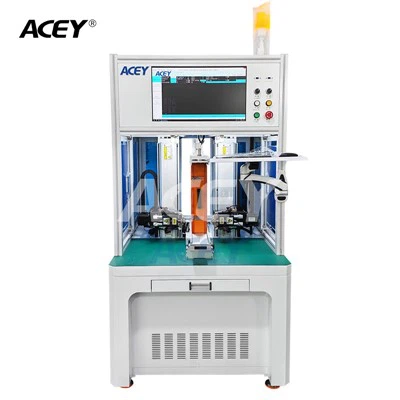
Hey there! As a supplier of Battery Pack Spot Welders, I often get asked about the differences between high - power and low - power battery pack spot welders. Let's dive right into it and break down these differences so you can make an informed decision when choosing the right welder for your needs.
Power Output
The most obvious difference between high - power and low - power battery pack spot welders is, well, the power output. High - power spot welders typically have a power rating that can go up to several kilowatts. This high power allows them to create strong and reliable welds in a very short amount of time. They can handle thick battery tabs and multiple layers of metal with ease. For example, if you're working on large - scale battery pack production where you need to weld thick copper tabs to battery cells, a high - power spot welder is the way to go.
On the other hand, low - power spot welders usually have a power output in the range of a few hundred watts. These are great for small - scale projects or when you're working with thin battery tabs. If you're a hobbyist or a small - business owner making custom battery packs for electronic devices like drones or RC cars, a low - power spot welder will likely be sufficient.
Welding Speed
High - power spot welders are incredibly fast. Because of their high power, they can deliver a large amount of energy in a short burst, which means they can complete a weld in a fraction of the time it would take a low - power welder. This makes them ideal for mass production environments where speed is of the essence. For instance, in a factory that produces thousands of battery packs per day, a high - power spot welder can significantly increase productivity.
Low - power spot welders, however, are slower. They need more time to build up enough energy to create a proper weld. This isn't necessarily a bad thing, especially if you're doing precision work or if you're new to spot welding. It gives you more control over the welding process and allows you to make adjustments as needed.
Heat Generation
High - power spot welders generate a lot of heat during the welding process. This is because they're delivering a large amount of energy in a short period. While this heat is necessary to create strong welds, it can also be a problem if not managed properly. Excessive heat can damage the battery cells or cause the metal to warp. That's why high - power spot welders often come with advanced cooling systems to keep the temperature in check.
Low - power spot welders generate less heat. This is an advantage when working with heat - sensitive materials or when you want to minimize the risk of damaging the battery cells. Since they produce less heat, they're also less likely to cause warping or other heat - related issues.
Cost
High - power spot welders are generally more expensive than low - power ones. This is due to their higher power output, advanced features, and better cooling systems. If you're on a tight budget or if you only need to do occasional spot welding, a low - power spot welder might be a more cost - effective option.
However, if you're running a large - scale production operation, the investment in a high - power spot welder can pay off in the long run. The increased speed and productivity can lead to higher profits, making the initial cost worth it.
Applications
High - power spot welders are commonly used in industrial settings for large - scale battery pack production. They're suitable for welding thick battery tabs, multiple layers of metal, and for high - volume production. For example, they're used in the automotive industry for manufacturing electric vehicle battery packs.
Low - power spot welders are perfect for small - scale projects, hobbyists, and DIY enthusiasts. They're great for making custom battery packs for electronic devices, repairing battery packs, or for any project where you need to make precise, small - scale welds.
Our Products
At our company, we offer a range of battery pack spot welders to meet different needs. If you're looking for an automatic option, check out our Automatic 18650 Battery Pack Spot Welder. It's a great choice for both small - scale and large - scale production.
We also have Copper Welding Needle Pins For Battery Spot Welding Machine that are essential for a successful spot welding process. These pins ensure a good electrical connection and help create strong welds.
And if you're working with lithium batteries, our Spot Welding Machine For Lithium Battery is designed to handle the specific requirements of lithium battery welding.
Conclusion
In conclusion, the choice between a high - power and low - power battery pack spot welder depends on your specific needs. If you're in a high - volume production environment and need to weld thick materials quickly, a high - power spot welder is the way to go. But if you're a hobbyist or doing small - scale projects, a low - power spot welder will likely meet your needs.
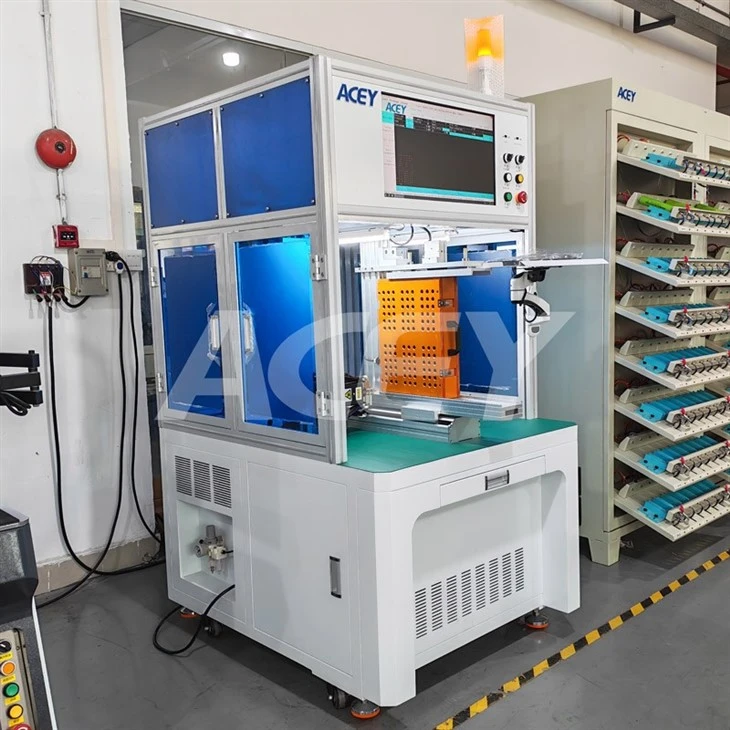

If you're interested in learning more about our battery pack spot welders or have any questions about which welder is right for you, don't hesitate to reach out. We're here to help you make the best decision for your business or project.
References
- Some basic knowledge about battery pack spot welders from industry - related books.
- Personal experience and practical application in the battery pack spot welding field.