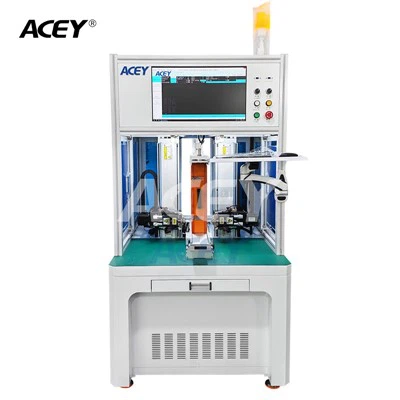
As a leading supplier of Battery Testing Systems, we understand the critical importance of accurately assessing battery thermal characteristics. In this blog post, we will delve into the intricacies of how our advanced testing systems evaluate battery thermal behavior, ensuring optimal performance, safety, and longevity.
Understanding Battery Thermal Characteristics
Battery thermal characteristics play a pivotal role in determining the overall performance and safety of batteries. During charging and discharging processes, batteries generate heat due to internal resistance and electrochemical reactions. Excessive heat can lead to a range of issues, including reduced battery capacity, accelerated aging, and even safety hazards such as thermal runaway. Therefore, it is essential to monitor and control battery temperature to maintain optimal operating conditions.
The Role of Battery Testing Systems
Our Battery Testing Systems are designed to provide comprehensive insights into battery thermal characteristics. By simulating real-world operating conditions and monitoring key thermal parameters, our systems enable manufacturers to identify potential issues early in the development process and optimize battery designs for maximum performance and safety.
Key Components of a Battery Testing System for Thermal Analysis
- Temperature Sensors: Accurate temperature measurement is crucial for assessing battery thermal behavior. Our testing systems are equipped with high-precision temperature sensors that can be placed at various locations on the battery to monitor temperature gradients and ensure uniform thermal distribution.
- Thermal Imaging Cameras: Thermal imaging cameras provide a non-contact method for visualizing battery temperature distribution in real-time. By capturing infrared images of the battery surface, these cameras can detect hot spots and identify areas of potential thermal stress.
- Environmental Chambers: Environmental chambers allow us to simulate a wide range of operating conditions, including temperature, humidity, and altitude. By subjecting batteries to different environmental conditions, we can evaluate their thermal performance under various scenarios and ensure they meet the required specifications.
- Data Acquisition Systems: Our testing systems are equipped with advanced data acquisition systems that can collect and analyze large amounts of thermal data in real-time. These systems allow us to monitor temperature trends, calculate thermal gradients, and generate detailed reports for further analysis.
Testing Procedures for Evaluating Battery Thermal Characteristics
- Thermal Cycling Tests: Thermal cycling tests involve subjecting batteries to repeated cycles of charging and discharging at different temperatures. By monitoring battery temperature during these cycles, we can evaluate the battery's ability to withstand thermal stress and identify any potential issues related to thermal stability.
- Overcharge and Overdischarge Tests: Overcharge and overdischarge tests are designed to simulate extreme operating conditions and evaluate the battery's response to overcharging or overdischarging. By monitoring battery temperature during these tests, we can detect any signs of thermal runaway and ensure the battery's safety under abnormal conditions.
- Short Circuit Tests: Short circuit tests involve intentionally short-circuiting the battery to evaluate its response to a sudden release of energy. By monitoring battery temperature during these tests, we can assess the battery's ability to dissipate heat and prevent thermal runaway.
- Thermal Modeling and Simulation: In addition to physical testing, we also use advanced thermal modeling and simulation techniques to predict battery thermal behavior under different operating conditions. By creating virtual models of the battery and its surrounding environment, we can optimize battery designs and identify potential thermal issues before they occur.
Benefits of Using Our Battery Testing Systems for Thermal Analysis
- Improved Battery Performance: By accurately assessing battery thermal characteristics, our testing systems enable manufacturers to optimize battery designs and improve overall performance. This can lead to longer battery life, higher energy density, and better charge-discharge efficiency.
- Enhanced Safety: Our testing systems help manufacturers identify potential thermal issues early in the development process, allowing them to take corrective actions and ensure the safety of their batteries. This can reduce the risk of thermal runaway and other safety hazards, protecting both consumers and the environment.
- Compliance with Industry Standards: Our testing systems are designed to meet the latest industry standards and regulations for battery testing. By using our systems, manufacturers can ensure that their batteries comply with the required safety and performance standards, avoiding costly recalls and legal issues.
- Cost Savings: By identifying potential issues early in the development process, our testing systems can help manufacturers reduce the cost of battery development and production. This can lead to significant cost savings over the life of the battery, making our testing systems a valuable investment for any battery manufacturer.
Conclusion
In conclusion, accurately assessing battery thermal characteristics is essential for ensuring the performance, safety, and longevity of batteries. As a leading supplier of Battery Testing Systems, we offer a comprehensive range of solutions for evaluating battery thermal behavior. Our advanced testing systems, combined with our expertise in battery testing and analysis, enable manufacturers to optimize battery designs, improve performance, and enhance safety. If you are interested in learning more about our Battery Testing Systems or would like to discuss your specific testing requirements, please [contact us] for a consultation. We look forward to working with you to ensure the success of your battery products.


References
- Wang, X., & Zhang, J. (2019). Thermal management of lithium-ion batteries: A review. Journal of Power Sources, 427, 133-150.
- Chen, Z., & Evans, J. W. (2017). Thermal analysis of lithium-ion batteries. Journal of The Electrochemical Society, 164(12), A2427-A2434.
- Zhang, X., & Yang, X. (2018). Thermal modeling and simulation of lithium-ion batteries. Journal of Power Sources, 375, 148-159.