

Hey there! I'm a supplier of comprehensive testers, and today I wanna chat about how a comprehensive tester tests software with biometric authentication features. Biometric authentication has become super popular these days, used in all sorts of apps and systems to keep things secure. As a comprehensive tester supplier, I've seen firsthand how important it is to test these features thoroughly.
Understanding Biometric Authentication
First off, let's quickly go over what biometric authentication is. It's a way to verify a person's identity using their unique biological characteristics, like fingerprints, facial features, iris patterns, or even voice. This tech is used in everything from smartphones to access control systems at workplaces. The idea is that these biological traits are so unique that they can provide a high - level of security compared to traditional passwords.
Pre - testing Preparation
Before we start testing the software with biometric authentication features, there are a few things we need to do. First, we gotta gather all the relevant info about the biometric system. This includes details about the type of biometric data it uses (fingerprint, face, etc.), the algorithms it employs for matching, and any specific security requirements.
We also need to set up the testing environment. This means getting the right hardware and software in place. For example, if we're testing a fingerprint - based system, we'll need a device with a fingerprint scanner. And of course, we'll use our trusty Battery Integrated Tester to make sure the device's power supply is stable during testing. This tester can handle different battery types and gives us accurate readings of the battery's performance, which is crucial as biometric sensors can be power - hungry.
Functional Testing
Once the prep work is done, it's time to start the actual testing. The first type of testing we do is functional testing. This is all about making sure the biometric authentication system works as it's supposed to.
We start by enrolling biometric data. For a fingerprint system, we'll ask a test user to place their finger on the scanner multiple times to create a template. We check if the enrollment process is smooth and if the system can capture clear and accurate biometric data. If there are any issues, like the scanner not recognizing the finger properly or the enrollment taking too long, we note them down.
Next, we test the authentication process. We try to log in using the enrolled biometric data. We check if the system can quickly and accurately match the presented biometric data with the stored template. We repeat this process multiple times to make sure the results are consistent. Sometimes, we'll also test with different angles and pressures (for fingerprints) to see how well the system can adapt.
We also test the system's ability to handle multiple users. We enroll data from different people and make sure that each user can log in successfully without any mix - ups. And if there are any features like multi - factor authentication (where biometrics are combined with a password or PIN), we test those as well.
Security Testing
Security is a huge deal when it comes to biometric authentication. After all, biometric data is extremely sensitive. So, we conduct a bunch of security tests.
One of the main things we look for is spoofing. Spoofing means trying to trick the system into thinking that an unauthorized person's biometric data is actually that of an authorized user. For example, we might try to use a fake fingerprint made from silicone or a printed photo of a face to see if the system can detect it. If the system fails to detect these fake attempts, it's a major security flaw.

We also test the encryption of biometric data. Biometric data should be encrypted both when it's stored in the system and when it's being transmitted. We use tools to check if the encryption algorithms are strong and if the data is protected from unauthorized access.
Another aspect of security testing is checking the system's response to security breaches. For example, if someone tries multiple failed authentication attempts, the system should lock the account or trigger an alert. We test these features to make sure they work as expected.
Performance Testing
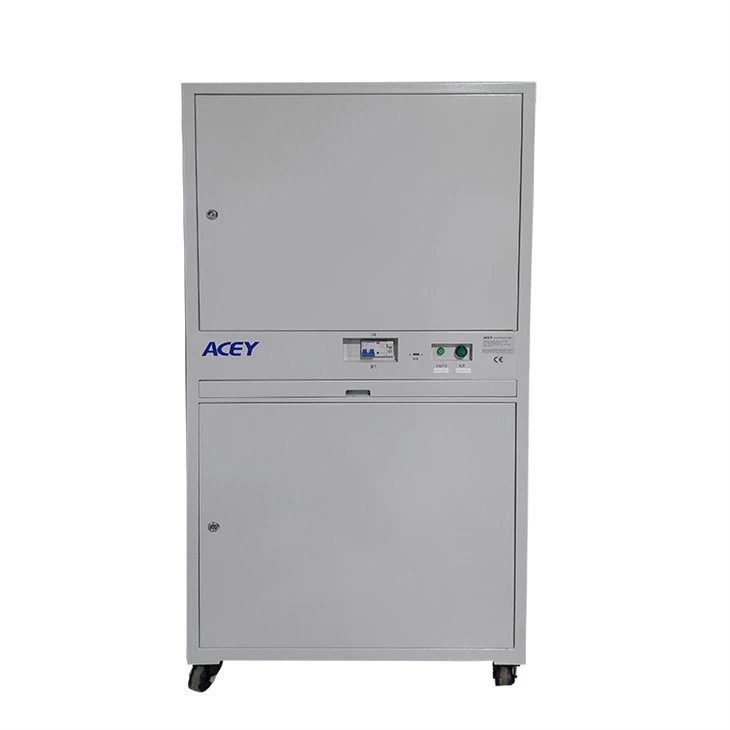
Performance is also key. A biometric authentication system that takes too long to authenticate can be really frustrating for users. So, we use our 120V 50A 200A Lithium Battery Multifunction Tester to run performance tests.
We measure the time it takes for the system to enroll biometric data and to authenticate a user. We do this under different conditions, like when the device is under heavy load or when the battery is low. We also check how many authentication attempts the system can handle per minute.
We look for any bottlenecks in the system. For example, if the biometric matching algorithm is too slow, it can cause delays. We analyze the system's resource usage (CPU, memory, etc.) during testing to identify these issues.
Usability Testing
Last but not least, we do usability testing. After all, even if a biometric authentication system is super secure and fast, if it's a pain to use, users won't like it.
We observe test users as they interact with the biometric system. We look at things like how easy it is to enroll biometric data, how intuitive the authentication process is, and if there are any error messages that are confusing.
We also ask for feedback from the test users. They might have suggestions for improving the user interface or making the process more user - friendly. For example, they might find it annoying to have to place their finger in a very specific position on the scanner.
Reporting and Analysis
Once all the testing is done, we compile a detailed report. This report includes all the test results, including any bugs or issues we found, along with our recommendations for fixing them.
We analyze the data to see if the biometric authentication system meets its requirements. If it doesn't, we work with the development team to come up with solutions. Sometimes, it might be a simple fix, like tweaking an algorithm. Other times, it could require more significant changes to the system.
Why Choose Our Testers
Our testers, like the Battery Comprehensive Tester, are designed to make the testing process as smooth and efficient as possible. They're reliable, accurate, and can handle a wide range of testing scenarios. Whether you're testing a small - scale biometric app or a large - scale enterprise - level security system, our testers have got you covered.
If you're in the market for high - quality comprehensive testers for your biometric authentication software testing needs, we'd love to talk to you. We can provide you with more info about our products and how they can help you ensure the security, functionality, and performance of your biometric systems. Reach out to us to start a discussion about your requirements and how we can assist you in your testing journey.
References
- Biometric Authentication Handbook: A Guide to Secure Identity Verification.
- Best Practices for Testing Biometric Systems in Software Development.
