What are the quality control standards for battery pack insulation materials on the line?
Hey there! I'm a supplier of Battery Pack Assembly Line. Today, I wanna talk about the quality control standards for battery pack insulation materials on the line. As we all know, insulation materials play a super crucial role in battery packs. They prevent short - circuits, ensure electrical safety, and help maintain the overall performance of the battery pack.
First off, let's discuss the electrical properties of insulation materials. The dielectric strength is a key factor. It refers to the maximum electric field that an insulating material can withstand without breaking down. In our Battery Pack Assembly Line, we set a pretty high standard for the dielectric strength of insulation materials. Usually, we require it to be able to handle at least a certain high - voltage level, like 1000V or more, depending on the specific design and application of the battery pack.
The volume resistivity is also important. This measures how well the material resists the flow of electric current through its volume. For our battery pack insulation materials, we need a high volume resistivity. A low volume resistivity could lead to leakage currents, which not only waste energy but can also pose a safety risk. We typically have a minimum value for the volume resistivity, and we test the materials regularly on the line to make sure they meet this standard.


Now, let's move on to the mechanical properties. The insulation materials need to be tough enough to withstand the mechanical stresses during the battery pack assembly process. For example, when we're using equipment like the Lithium Ion Battery Pack Spot Welding Machine, there are vibrations and small impacts. The insulation material shouldn't crack or break easily.
The flexibility of the insulation material is another consideration. It needs to be able to conform to the shape of the battery cells and other components in the pack. If it's too rigid, it might not fit properly, leaving gaps where there could be electrical contact. So, we test the flexibility of the materials to ensure they can bend and twist within a certain range without losing their insulating properties.
Thermal properties are also a big deal. Battery packs generate heat during operation, and the insulation materials need to be able to handle that heat. The thermal conductivity should be relatively low so that the heat doesn't spread too quickly through the insulation, which could cause overheating in other parts of the pack. On the other hand, the material should have a high enough heat resistance to not degrade or melt under normal operating temperatures.
We also look at the chemical stability of the insulation materials. The battery pack environment can be quite harsh, with different chemicals and electrolytes present. The insulation material shouldn't react with these substances. If it does, it could cause the material to break down, lose its insulating properties, and potentially lead to battery failure.
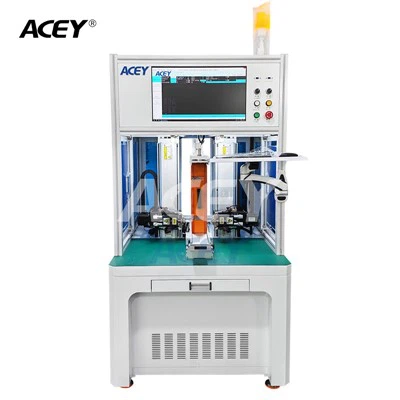
When it comes to quality control on the line, we have a strict testing regime. We use equipment like the Lithium Ion Battery Pack Testing Machine to check the electrical properties of the insulation materials. This machine can measure the dielectric strength, volume resistivity, and other important electrical parameters quickly and accurately.
We also do visual inspections. We look for any visible defects like cracks, bubbles, or uneven surfaces on the insulation materials. These defects could indicate weaknesses in the material that might lead to problems later on.
In addition to these in - line tests, we also conduct periodic batch tests. We take samples from different batches of insulation materials and send them to an independent laboratory for more comprehensive testing. This helps us make sure that the overall quality of the materials from our suppliers is consistent.
Now, here's the thing. Our Battery Pack Assembly Line comes with all the necessary Battery Pack Assembly Equipment to ensure that the battery pack insulation materials are properly handled and tested. And we've got a team of experts who can help you set up the quality control process for your specific battery pack production needs.
If you're in the business of making battery packs, you know how important it is to have high - quality insulation materials and a reliable quality control system. Whether you're just starting out or looking to upgrade your existing production line, we can offer you the right solutions. So, if you're interested in learning more about our products and how we can help you with your battery pack assembly and insulation material quality control, don't hesitate to reach out and start a procurement discussion. We're always ready to work with you to boost the quality and safety of your battery packs.
References
- "Battery Pack Design and Manufacturing Handbook"
- "Insulation Materials for Electrical Applications"
- Industry reports on lithium - ion battery production technology