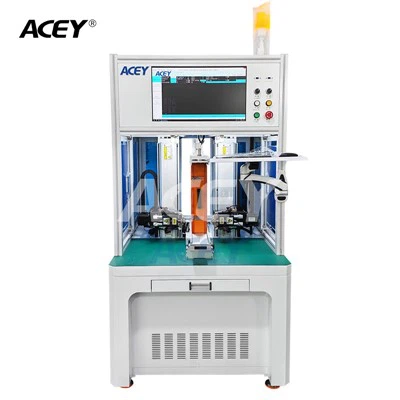
As a supplier of Heat Shrinking Machines, I've witnessed firsthand the pivotal role that timers play in these remarkable pieces of equipment. In this blog post, I'll delve into the functions of a timer in a heat shrinking machine, exploring how it enhances efficiency, precision, and overall performance.
1. Precise Heat Application
One of the primary functions of a timer in a heat shrinking machine is to control the duration of heat application. Heat shrinking involves using heat to shrink a plastic film tightly around a product or package. If the heat is applied for too short a time, the film may not shrink properly, leaving gaps or loose areas. Conversely, if the heat is applied for too long, the film may over - shrink, become distorted, or even melt.
The timer allows operators to set a specific time for which the heat source will be active. For example, in a Automatic Heat Shrink Machine, the timer can be programmed to ensure that the heat is applied for exactly the right amount of time to achieve optimal shrinkage. This precision is crucial, especially when dealing with products of different shapes, sizes, and materials. Each type of product may require a unique heat - application time, and the timer makes it possible to adjust accordingly.
2. Consistency in Production
In a manufacturing or packaging environment, consistency is key. A timer in a heat shrinking machine helps to ensure that every product that goes through the shrinking process is treated equally. When the timer is set correctly, each item will receive the same amount of heat for the same duration, resulting in uniform shrinkage across the entire production line.
This consistency is essential for maintaining product quality and meeting customer expectations. For instance, if a company is packaging a series of consumer goods, such as bottles or boxes, the shrink - wrapped appearance should be consistent from one unit to the next. A timer eliminates the variability that can occur when relying on manual control of the heat - application process, reducing the likelihood of defective products and increasing customer satisfaction.
3. Energy Efficiency
Another important function of the timer is to improve energy efficiency. Heat shrinking machines typically consume a significant amount of energy to generate the heat required for the shrinking process. By using a timer, the machine can be programmed to turn off the heat source once the desired heat - application time has elapsed.


This prevents unnecessary energy consumption, as the machine is not left running continuously. For example, in a large - scale production facility where multiple heat shrinking machines are in operation, the cumulative energy savings can be substantial over time. Not only does this reduce operating costs for the business, but it also contributes to a more sustainable and environmentally friendly production process.
4. Safety Enhancement
Timers also play a crucial role in enhancing the safety of heat shrinking machines. Heat sources in these machines can reach very high temperatures, and prolonged exposure to these temperatures can pose a risk of burns or fire. The timer ensures that the heat source is only active for the necessary period, reducing the amount of time that operators are exposed to high - temperature components.
In addition, if there is a malfunction or an operator forgets to turn off the machine, the timer will automatically shut down the heat source after the set time. This built - in safety feature helps to prevent accidents and protect both the operators and the equipment.
5. Compatibility with Different Processes
Heat shrinking machines can be used in a variety of processes, such as sleeve wrapping, tamper - evident packaging, and product bundling. The timer allows the machine to be adapted to different processes by adjusting the heat - application time.
For example, in an Automatic Sleeve Wrapping Machine With Cover, the timer can be set to ensure that the sleeve is shrunk tightly around the product while also allowing for any additional steps in the process, such as sealing the cover. This flexibility makes the heat shrinking machine a versatile tool in the packaging industry, capable of handling a wide range of applications.
6. Integration with Automation
In modern manufacturing, automation is becoming increasingly important. Heat shrinking machines are often integrated into larger automated production lines, and the timer plays a vital role in this integration. The timer can be synchronized with other components of the production line, such as conveyors, sensors, and robotic arms.
For example, the timer can be set to start the heat - application process when a product reaches a specific position on the conveyor belt. This seamless integration ensures that the heat shrinking process is coordinated with the overall production flow, improving efficiency and reducing the need for manual intervention.
7. Ease of Use and Maintenance
Timers in heat shrinking machines are generally easy to use and maintain. Most modern timers are digital, allowing operators to set the time accurately with just a few button presses. They also often come with features such as memory functions, which can store different heat - application times for different products or processes.
In terms of maintenance, timers are relatively simple components. They are usually protected from the high - temperature environment inside the machine and are designed to be durable. Regular calibration and inspection can ensure that the timer continues to function accurately over time, minimizing downtime and maintenance costs.
8. Adaptability to Different Workloads
Whether a business is running a small - scale operation or a large - scale production line, the timer in a heat shrinking machine can be adjusted to suit the workload. In a low - volume production environment, the timer can be set to accommodate a slower production pace, allowing operators more time to load and unload products.
Conversely, in a high - volume production setting, the timer can be optimized for a faster cycle time, ensuring that the machine can keep up with the demand. This adaptability makes the heat shrinking machine a valuable asset for businesses of all sizes, as it can be tailored to meet the specific needs of each operation.
Conclusion
In conclusion, the timer in a heat shrinking machine is a critical component that performs multiple functions. It provides precise heat application, ensures consistency in production, improves energy efficiency, enhances safety, allows for compatibility with different processes, integrates with automation, is easy to use and maintain, and can be adapted to different workloads.
If you're in the market for a Heat Shrinking Machine or are looking to upgrade your existing equipment, understanding the importance of the timer can help you make an informed decision. Our company offers a wide range of heat shrinking machines with advanced timer features to meet your specific requirements. We invite you to contact us to discuss your needs and explore how our machines can improve your packaging process. Whether you're a small business or a large corporation, we're here to provide you with the best solutions for your heat shrinking needs.
References
- Packaging Machinery Handbook, 3rd Edition
- Industrial Heat - Shrink Technology: Principles and Applications
- Journal of Packaging Science and Technology, various issues related to heat - shrinking processes