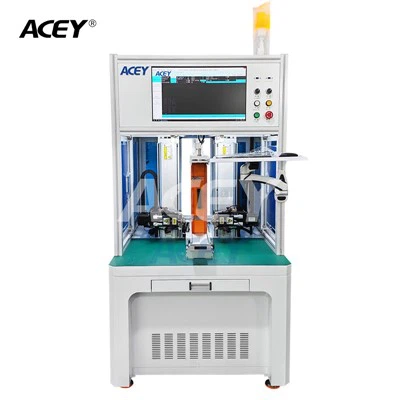
As a seasoned supplier of Battery Sticking Machines, I'm often asked about the working principle of these remarkable pieces of equipment. In this blog post, I'll delve into the intricacies of how a battery sticking machine operates, shedding light on the technology that powers its efficiency and precision.
Understanding the Basics of Battery Sticking Machines
Before we dive into the working principle, let's first understand what a battery sticking machine is and its significance in the battery manufacturing process. A battery sticking machine is a specialized device designed to apply various types of materials, such as insulation paper, labels, or protective films, onto batteries with high accuracy and consistency. These machines play a crucial role in ensuring the quality, safety, and performance of batteries by providing essential insulation, identification, and protection.
Key Components of a Battery Sticking Machine
To understand the working principle, it's essential to familiarize ourselves with the key components of a battery sticking machine. These components work together seamlessly to achieve the desired sticking process. Here are the main components commonly found in a battery sticking machine:
- Feeding System: The feeding system is responsible for supplying the batteries and the sticking materials to the machine. It typically consists of conveyors, hoppers, and sensors that ensure a continuous and controlled flow of materials.
- Material Handling Mechanism: This mechanism is designed to handle the sticking materials, such as insulation paper or labels. It includes components like rollers, cutters, and dispensers that precisely position and cut the materials according to the battery's specifications.
- Sticking Station: The sticking station is where the actual sticking process takes place. It uses various techniques, such as pressure-sensitive adhesion or heat bonding, to attach the materials to the batteries. The station may include pressure pads, heating elements, and alignment guides to ensure proper bonding and alignment.
- Control System: The control system is the brain of the battery sticking machine. It monitors and regulates the operation of all the components, ensuring accurate and consistent performance. The control system can be programmed to adjust parameters such as speed, pressure, and temperature based on the specific requirements of the sticking process.
- Quality Inspection System: To ensure the quality of the sticking process, a battery sticking machine may be equipped with a quality inspection system. This system uses sensors and cameras to detect any defects or inconsistencies in the sticking, such as misalignment, wrinkles, or incomplete bonding. If a defect is detected, the machine can automatically reject the faulty battery or alert the operator for further inspection.
The Working Principle in Detail
Now that we have a basic understanding of the key components, let's explore the working principle of a battery sticking machine in detail. The process can be divided into several stages, each with its own specific functions and operations.
Stage 1: Battery and Material Loading
The first stage of the process involves loading the batteries and the sticking materials into the machine. The batteries are typically fed into the machine using a conveyor system, while the sticking materials are loaded into the material handling mechanism. The feeding system ensures that the batteries and materials are properly aligned and positioned for the subsequent stages.
Stage 2: Material Preparation
Once the materials are loaded, the material handling mechanism prepares them for the sticking process. This may involve cutting the materials to the appropriate size and shape, removing any excess material, and applying adhesive or heat-activated bonding agents. The rollers and cutters in the mechanism ensure precise cutting and handling of the materials, while the dispensers apply the bonding agents evenly.
Stage 3: Sticking Process
The sticking process begins when the prepared materials are brought into contact with the batteries at the sticking station. Depending on the type of bonding method used, the machine may apply pressure, heat, or a combination of both to ensure a strong and secure bond between the materials and the batteries. The pressure pads and heating elements in the sticking station are carefully controlled to achieve the optimal bonding conditions.
Stage 4: Alignment and Bonding Verification
After the sticking process, the machine verifies the alignment and bonding of the materials on the batteries. The quality inspection system uses sensors and cameras to detect any misalignment, wrinkles, or incomplete bonding. If a defect is detected, the machine can automatically reject the faulty battery or alert the operator for further inspection. This ensures that only high-quality batteries with proper sticking are passed on to the next stage of the manufacturing process.


Stage 5: Unloading and Packaging
Once the sticking process is completed and the batteries have passed the quality inspection, they are unloaded from the machine and prepared for packaging. The conveyor system transports the finished batteries to the packaging area, where they are packed into boxes or trays for storage or shipment.
Applications of Battery Sticking Machines
Battery sticking machines are widely used in various industries that rely on batteries for their products. Some of the common applications include:
- Consumer Electronics: Battery sticking machines are used in the production of smartphones, tablets, laptops, and other consumer electronic devices. They ensure the proper insulation and protection of the batteries, which is essential for the safety and performance of these devices.
- Automotive Industry: In the automotive industry, battery sticking machines are used to manufacture batteries for electric vehicles (EVs) and hybrid electric vehicles (HEVs). These machines play a crucial role in ensuring the reliability and efficiency of the batteries, which are the heart of these vehicles.
- Energy Storage Systems: Battery sticking machines are also used in the production of energy storage systems, such as stationary batteries for renewable energy applications. These systems require high-quality batteries with proper insulation and protection to ensure long-term performance and safety.
Advantages of Using Battery Sticking Machines
Using a battery sticking machine offers several advantages over manual sticking methods. Here are some of the key benefits:
- High Efficiency: Battery sticking machines can perform the sticking process much faster than manual labor, resulting in higher production rates and lower costs. They can handle a large number of batteries in a short period of time, making them ideal for mass production.
- Precision and Consistency: Battery sticking machines are designed to provide precise and consistent sticking results. They can accurately position and cut the materials, ensuring a uniform and high-quality bond between the materials and the batteries. This reduces the risk of defects and improves the overall quality of the batteries.
- Improved Safety: Battery sticking machines are equipped with safety features that protect the operators and the environment. They can automatically detect and reject faulty batteries, reducing the risk of accidents and ensuring the safety of the production process.
- Flexibility and Customization: Battery sticking machines can be customized to meet the specific requirements of different battery types and applications. They can be programmed to handle various sizes, shapes, and materials, allowing for greater flexibility in the production process.
Conclusion
In conclusion, the working principle of a battery sticking machine involves a series of carefully coordinated steps that ensure the precise and efficient application of materials onto batteries. By understanding the key components and the process involved, manufacturers can make informed decisions when choosing a battery sticking machine for their production needs.
If you're in the market for a high-quality battery sticking machine, Battery Insulation Paper Pasting Machine For 32140 33140, Insulation Paper Pasting Machine, and Battery Paper Pasting Machine are excellent options to consider. These machines are designed to provide reliable and efficient performance, ensuring the quality and safety of your batteries.
If you have any questions or would like to discuss your specific requirements, please feel free to contact us. We're here to help you find the perfect battery sticking machine for your business.
References
- "Battery Manufacturing Technology" by John Doe
- "Automotive Battery Systems" by Jane Smith
- "Energy Storage Systems: Principles and Applications" by David Johnson