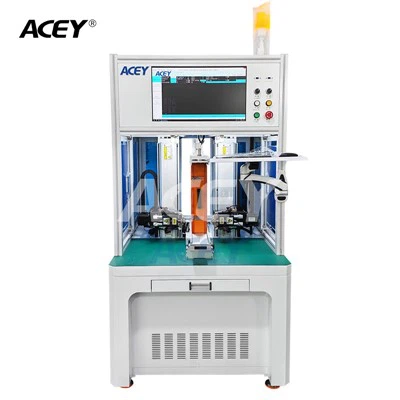
Operating Bms Testing Equipment requires a comprehensive set of training to ensure safety, accuracy, and efficiency. As a supplier of Bms Testing Equipment, we understand the importance of providing proper training to our customers. In this blog, we will discuss the key training aspects needed to operate Bms Testing Equipment effectively.
Understanding the Basics of BMS
Before diving into the operation of Bms Testing Equipment, it is essential to have a solid understanding of what a Battery Management System (BMS) is. A BMS is a crucial component in battery packs, responsible for monitoring and controlling the battery's performance, ensuring its safety, and prolonging its lifespan. It measures parameters such as voltage, current, temperature, and state of charge (SOC) of individual battery cells or the entire battery pack.
To operate Bms Testing Equipment, operators should be familiar with the basic functions and working principles of a BMS. This includes knowledge of how the BMS communicates with the battery cells, how it manages charging and discharging processes, and how it protects the battery from over - charging, over - discharging, and over - temperature conditions.
Familiarization with Bms Testing Equipment
The next step in the training process is to get acquainted with the specific Bms Testing Equipment. Our company offers a wide range of testing equipment, such as the Bms Testing Equipment. Operators need to learn about the equipment's features, components, and specifications.


They should understand the front - panel controls, display functions, and how to connect the equipment to the BMS under test. For example, knowing how to properly attach the voltage probes, current sensors, and temperature sensors to the BMS is crucial for accurate measurements. Training should also cover the equipment's power requirements, input/output interfaces, and any software that accompanies the tester.
Safety Training
Safety is of utmost importance when operating Bms Testing Equipment. Batteries can store a significant amount of energy, and improper handling can lead to serious hazards such as electrical shock, fire, or explosion. Operators must be trained in safety procedures, including wearing appropriate personal protective equipment (PPE) such as insulated gloves, safety glasses, and flame - retardant clothing.
They should also learn how to handle batteries safely, including proper storage, charging, and discharging procedures. Training should cover emergency response protocols in case of equipment malfunction, battery failure, or other safety incidents. For instance, operators need to know how to quickly shut down the testing equipment and isolate the battery in case of a short - circuit or over - heating situation.
Measurement and Testing Procedures
Accurate measurement is the core function of Bms Testing Equipment. Operators need to be trained in various measurement and testing procedures. This includes learning how to measure voltage, current, and temperature accurately. They should understand the concept of sampling rates, measurement ranges, and the significance of measurement accuracy.
Training should also cover different types of tests that can be performed on a BMS, such as static tests (e.g., measuring the open - circuit voltage of the battery cells) and dynamic tests (e.g., simulating charging and discharging cycles). For example, operators need to know how to set up a test profile on the Optional 24 Series Battery Management System Test Equipment With PC to simulate real - world operating conditions of the BMS.
Data Analysis and Interpretation
Once the tests are completed, operators need to be able to analyze and interpret the collected data. Our Bms Testing Equipment can generate a large amount of data, including voltage curves, current profiles, and temperature trends. Operators should be trained in using the data analysis software provided with the equipment.
They need to learn how to identify normal and abnormal data patterns, how to calculate key parameters such as SOC and state of health (SOH) of the battery, and how to draw conclusions about the performance and functionality of the BMS. For example, if the voltage of a particular battery cell deviates significantly from the others during a test, it could indicate a problem with that cell or the BMS's cell - balancing function.
Troubleshooting and Maintenance
Even with proper training and precautions, issues may arise during the operation of Bms Testing Equipment. Operators should be trained in basic troubleshooting techniques. This includes being able to identify common problems such as sensor malfunctions, communication errors, or software glitches.
They should also learn how to perform routine maintenance tasks on the equipment, such as cleaning the sensors, checking the cables for damage, and updating the software. Regular maintenance helps to ensure the long - term reliability and accuracy of the testing equipment.
Advanced Training for Specialized Applications
In addition to the basic training, some customers may require advanced training for specialized applications. For example, if the BMS is used in an electric vehicle (EV), operators may need to learn about the unique requirements and testing procedures for EV BMSs. This could include testing the BMS's compatibility with the vehicle's charging infrastructure, its response to rapid charging, and its performance under different driving conditions.
Our company also offers Bms Testing Machine for more complex testing scenarios. Advanced training can cover topics such as high - voltage testing, battery pack integration testing, and compliance testing with industry standards.
Continuous Learning and Support
The field of battery technology and BMS testing is constantly evolving. Therefore, continuous learning is essential for operators. Our company provides ongoing support and training updates to our customers. We offer webinars, online tutorials, and on - site training sessions to keep operators up - to - date with the latest advancements in BMS testing technology.
We also have a dedicated technical support team that can assist customers with any questions or issues they may encounter during the operation of our Bms Testing Equipment. Whether it's a technical problem, a question about a specific test procedure, or a request for additional training, our team is ready to help.
Conclusion
Operating Bms Testing Equipment requires a well - rounded training program that covers the basics of BMS, equipment familiarization, safety, measurement and testing procedures, data analysis, troubleshooting, and advanced applications. As a supplier of Bms Testing Equipment, we are committed to providing our customers with the necessary training and support to ensure that they can operate our equipment safely and effectively.
If you are interested in our Bms Testing Equipment and would like to learn more about our training programs, or if you have any questions regarding the purchase and operation of the equipment, please feel free to contact us. We look forward to discussing your specific needs and helping you find the best solution for your BMS testing requirements.
References
- Battery Management System Handbook, published by an industry - recognized organization.
- Technical documentation of our Bms Testing Equipment.
- Safety standards and guidelines for battery testing.