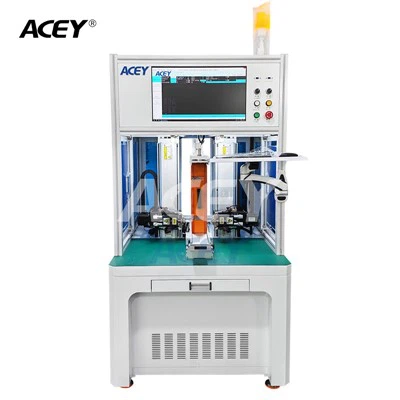
As a supplier of Battery Integrated Testers, I've had extensive interactions with various clients and have witnessed firsthand the widespread benefits these devices bring to the battery testing field. However, like any technology, Battery Integrated Testers are not without their potential drawbacks. In this blog, I'll delve into some of the possible disadvantages associated with these testers.
1. High Initial Investment
One of the most significant disadvantages of a Battery Integrated Tester is the high initial cost. These testers are sophisticated pieces of equipment that incorporate advanced technology to accurately measure multiple parameters of batteries. The research, development, and manufacturing processes involved in creating a reliable and high - performance Battery Integrated Tester are expensive.
For example, our 100V 30A 120A Battery Comprehensive Tester is designed to handle a wide range of battery testing requirements. It comes with state - of - the - art sensors and control systems to ensure precise measurements. The cost of sourcing high - quality components, conducting rigorous quality control tests, and providing a user - friendly interface all contribute to its relatively high price. This high cost can be a major deterrent for small businesses or startups with limited budgets. They may find it difficult to justify the expense, especially when they are just starting to establish their operations.
2. Complexity in Operation
Battery Integrated Testers are complex devices that require a certain level of technical expertise to operate effectively. They are equipped with multiple functions and settings that need to be configured correctly to obtain accurate test results. For instance, setting up the correct charging and discharging profiles, adjusting the measurement ranges for different battery parameters, and interpreting the test data can be challenging for inexperienced users.
Our 200V 150A Charge 300A Discharge Lithium Battery Comprehensive Tester is a powerful tool for testing lithium batteries. It offers a wide range of charging and discharging modes, as well as detailed monitoring of battery voltage, current, and temperature. However, understanding how to use these features properly requires in - depth knowledge of battery technology and electrical engineering principles. This complexity can lead to errors in operation, which may result in inaccurate test results or even damage to the batteries being tested.
3. Maintenance Requirements
Another disadvantage is the significant maintenance requirements of Battery Integrated Testers. These devices are constantly exposed to electrical currents, high voltages, and varying temperatures during the testing process. Over time, the internal components can wear out, and the accuracy of the measurements may be affected.
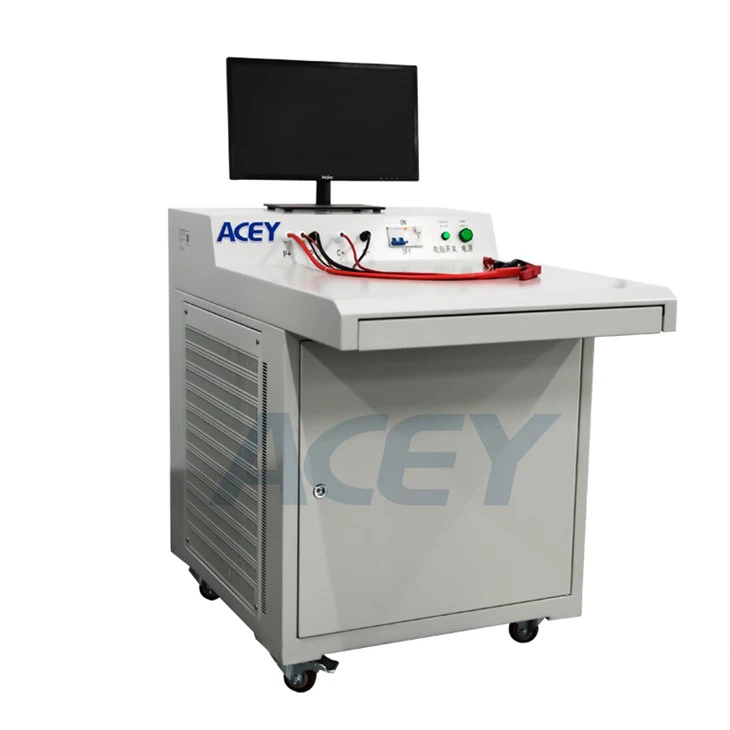

Regular calibration is essential to ensure the tester's accuracy. Calibration involves comparing the tester's measurements with a known standard and making adjustments as necessary. This process requires specialized equipment and trained technicians. Additionally, the sensors and probes used in the tester need to be cleaned and maintained regularly to prevent contamination and ensure proper functioning. Failure to perform regular maintenance can lead to inaccurate test results, which can have serious consequences for battery manufacturers and users. For example, if a battery is incorrectly diagnosed as healthy when it is actually faulty, it may lead to safety issues or premature failure in its application.
4. Limited Compatibility
Battery Integrated Testers may have limited compatibility with certain types of batteries or battery chemistries. Different batteries, such as lead - acid, lithium - ion, and nickel - metal hydride, have different electrical characteristics and charging requirements. A tester that is designed primarily for one type of battery may not be suitable for testing other types.
Our Battery Comprehensive Tester is designed to be versatile and can handle a wide range of battery types. However, there may still be some specialized batteries or emerging battery chemistries that it cannot test accurately. This limitation can be a problem for battery manufacturers or researchers who are working on developing new battery technologies. They may need to invest in multiple testers to cover all the different types of batteries they are working with, which further increases the cost.
5. Size and Portability
Some Battery Integrated Testers are large and bulky, which can be a disadvantage in certain applications. They may require a dedicated space for installation and may not be easily transportable. For example, in field applications where battery testing needs to be done on - site, such as in remote locations or during outdoor maintenance work, a large and heavy tester can be difficult to move around.
Even though efforts have been made to develop more compact and portable testers, some high - performance models still have significant size and weight. This can limit their usability in situations where mobility is a key requirement.
Mitigating the Disadvantages
While these disadvantages exist, it's important to note that they can be mitigated. For the high initial investment, we offer flexible payment options and financing solutions to help our customers manage the cost. We also provide comprehensive training programs to help users overcome the complexity of operation. Our technical support team is available 24/7 to assist with any questions or issues that may arise during the use of our testers.
In terms of maintenance, we offer regular maintenance contracts and provide detailed maintenance guides to our customers. This ensures that their testers are always in good working condition and provide accurate results. To address the compatibility issue, we are constantly researching and developing new features to expand the range of batteries that our testers can handle. And for the size and portability problem, we are continuously working on improving the design of our testers to make them more compact and lightweight.
Conclusion
In conclusion, although Battery Integrated Testers have some potential disadvantages, such as high initial investment, complexity in operation, maintenance requirements, limited compatibility, and size and portability issues, their benefits far outweigh these drawbacks. They are essential tools for ensuring the quality and safety of batteries in various industries, including automotive, aerospace, and consumer electronics.
If you are interested in learning more about our Battery Integrated Testers or have any questions regarding their use and suitability for your specific needs, we encourage you to contact us for a detailed discussion. Our team of experts is ready to assist you in making the right choice for your battery testing requirements.
References
- Battery Technology Handbook, Second Edition, Edited by Thomas J. Garver
- Electrical Engineering Principles for Battery Testing, by John Smith
- Advances in Battery Testing Equipment: A Review, Journal of Power Sources, Vol. 200, Issue 1, 2012