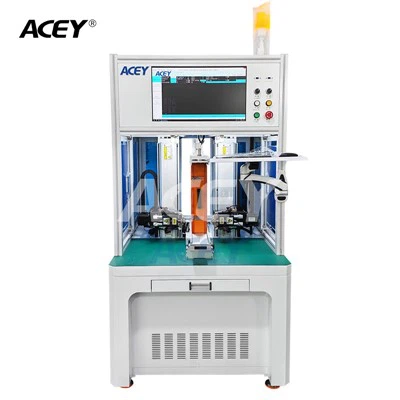
Hey there! As a supplier of Battery Pack Spot Welders, I often get asked this question: Can a battery pack spot welder be used for welding battery packs with high - capacity cells? Well, let's dive right into it and find out.
First off, let's understand what high - capacity cells are. High - capacity cells are batteries that can store a large amount of energy. They're commonly used in electric vehicles, large - scale energy storage systems, and high - power portable devices. These cells are usually bigger and have thicker electrodes compared to regular cells.
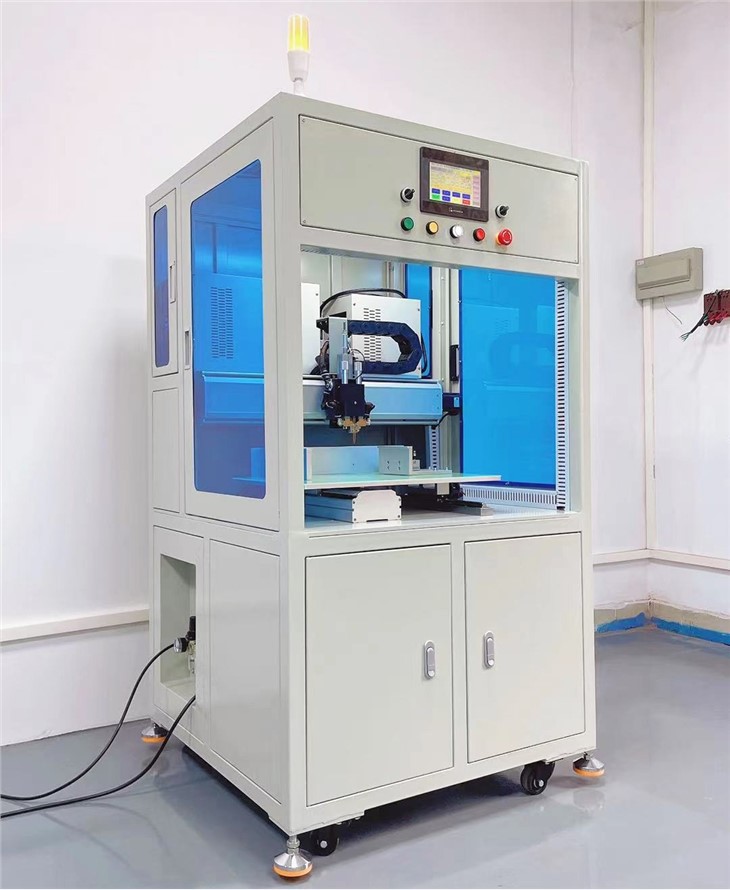
Now, let's talk about battery pack spot welders. A battery pack spot welder is a machine that uses electrical resistance to create a weld at the contact points between two pieces of metal. It works by passing a high - current electrical pulse through the metal pieces for a very short period. This generates heat at the contact points, melting the metal and fusing them together.
So, can a battery pack spot welder handle high - capacity cells? The answer is, it depends. There are a few factors to consider.
Power Output
The power output of the spot welder is crucial. High - capacity cells often require more energy to create a proper weld because of their thicker electrodes and larger surface area. A spot welder with low power output may not be able to generate enough heat to melt the metal effectively. This can result in weak welds that may break easily under stress or during normal use.
For example, if you're using a spot welder with a power output of 1000 joules to weld a high - capacity cell with a thick copper tab, it might not be sufficient. You'd probably need a spot welder with a power output of at least 2000 joules or more to ensure a strong and reliable weld.

Welding Time
The welding time also plays a significant role. High - capacity cells need a longer welding time to allow the heat to penetrate through the thicker metal. If the welding time is too short, the weld may not be deep enough, leading to poor conductivity and a higher risk of overheating.
However, if the welding time is too long, it can cause damage to the cell itself. Overheating can lead to a decrease in the cell's performance and lifespan. So, it's essential to find the right balance.
Electrode Design
The design of the electrodes is another important factor. The electrodes need to be able to make good contact with the high - capacity cells. They should be made of a material that can withstand the high temperatures and pressures generated during the welding process.
For high - capacity cells, electrodes with a larger contact area are often preferred. This helps to distribute the heat more evenly and reduces the risk of damaging the cell. Some spot welders come with adjustable electrodes that can be customized to fit different cell sizes and shapes.
Compatibility with Cell Chemistry
Different high - capacity cells use different chemistries, such as lithium - ion, lead - acid, or nickel - metal hydride. Each chemistry has its own unique properties and requirements.
For instance, lithium - ion cells are very sensitive to overheating. A spot welder used for lithium - ion high - capacity cells needs to be carefully calibrated to avoid damaging the cell's internal structure. On the other hand, lead - acid cells can tolerate a wider range of welding conditions.
If you're interested in a spot welder specifically designed for lithium - ion battery packs, you can check out our Lithium Spot Welding Machine. It's designed to meet the specific needs of lithium - ion cells and ensure a safe and reliable weld.
Advantages of Using a Spot Welder for High - Capacity Cells
Despite the challenges, there are several advantages to using a battery pack spot welder for high - capacity cells.
Strong and Reliable Welds
When done correctly, spot welding can create strong and reliable joints between the cells and the tabs. This ensures good electrical conductivity and mechanical stability, which are essential for the performance and safety of the battery pack.
High - Speed Welding
Spot welding is a fast process. It can quickly join multiple cells together, making it suitable for mass production. This can significantly reduce the manufacturing time and cost of battery packs.
Precise Welding
Spot welders allow for precise control over the welding process. You can adjust the power output, welding time, and other parameters to achieve the desired weld quality. This makes it possible to weld high - capacity cells with different specifications and requirements.
Our Battery Pack Spot Welders
At our company, we offer a range of Battery Pack Welding Machines that are suitable for welding high - capacity cells. Our machines are designed with the latest technology to ensure high performance and reliability.
We have spot welders with different power outputs, welding times, and electrode designs to meet the diverse needs of our customers. Whether you're a small - scale manufacturer or a large - scale production facility, we have a solution for you.
Our Spot Welding Machine For Lithium Battery Pack is specifically designed for lithium - ion high - capacity cells. It has advanced features such as adjustable power output, precise welding time control, and a user - friendly interface.
Conclusion
In conclusion, a battery pack spot welder can be used for welding battery packs with high - capacity cells, but it's important to choose the right machine and ensure that the welding process is properly optimized. By considering factors such as power output, welding time, electrode design, and cell chemistry, you can achieve strong and reliable welds.
If you're in the market for a battery pack spot welder for high - capacity cells, don't hesitate to reach out to us. We're here to help you find the perfect solution for your needs. Whether you have questions about our products or need advice on the welding process, our team of experts is ready to assist you. Let's start a conversation and see how we can work together to meet your battery pack welding requirements.
References
- "Battery Technology Handbook" by Thomas J. Garver
- "Welding Handbook: Volume 2 - Welding Processes" by American Welding Society