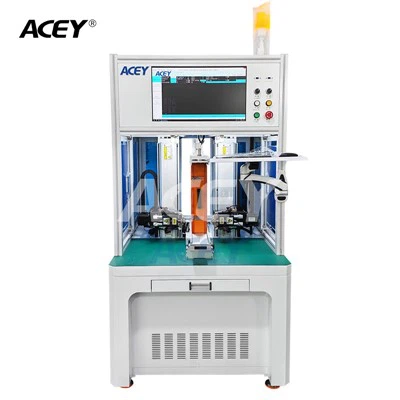
Calibration is a critical process for maintaining the accuracy and reliability of battery sorters. As a leading supplier of battery sorting equipment, we understand the importance of calibration in ensuring optimal performance and consistent results. In this blog post, we will explore the factors that influence the calibration frequency of a battery sorter and provide recommendations on how often it should be calibrated.
Understanding the Role of Calibration in Battery Sorting
Battery sorters are used to classify batteries based on various parameters such as voltage, capacity, internal resistance, and state of charge. These parameters are crucial for determining the quality and performance of batteries, and accurate measurement is essential for effective sorting. Calibration is the process of adjusting the measurement system of a battery sorter to ensure that it provides accurate and consistent results.
During calibration, the battery sorter is compared to a known standard or reference. Any deviations from the standard are identified and corrected by adjusting the measurement system. This ensures that the battery sorter is measuring the parameters accurately and that the sorting results are reliable.


Factors Influencing Calibration Frequency
The calibration frequency of a battery sorter depends on several factors, including the type of battery sorter, the operating environment, the frequency of use, and the accuracy requirements of the sorting process. Let's take a closer look at each of these factors:
Type of Battery Sorter
There are different types of battery sorters available in the market, each with its own calibration requirements. For example, a 2 in 1 Insulation Paper Sticker and Sorting Machine, which combines insulation paper sticking and sorting functions, may have different calibration needs compared to an Automatic Battery Sorting Machine or a Prismatic Cell Sorting Machine.
Some battery sorters are designed for high-precision sorting, while others are more suitable for general sorting applications. High-precision battery sorters typically require more frequent calibration to maintain their accuracy.
Operating Environment
The operating environment can have a significant impact on the performance of a battery sorter and, consequently, on the calibration frequency. Factors such as temperature, humidity, dust, and vibration can affect the accuracy of the measurement system.
In a harsh operating environment, where there are significant temperature fluctuations, high humidity, or a lot of dust, the battery sorter may require more frequent calibration. For example, if the battery sorter is used in a manufacturing plant where there is a lot of dust and vibration, the calibration frequency may need to be increased to ensure accurate sorting.
Frequency of Use
The frequency of use of the battery sorter also plays a role in determining the calibration frequency. A battery sorter that is used continuously or frequently will experience more wear and tear on its measurement system compared to one that is used less often.
If a battery sorter is used several times a day, it may need to be calibrated more frequently than one that is used only a few times a week. Regular use can cause the components of the measurement system to degrade over time, leading to inaccurate measurements.
Accuracy Requirements of the Sorting Process
The accuracy requirements of the sorting process are another important factor to consider when determining the calibration frequency. Different applications may have different accuracy requirements for battery sorting.
For example, in applications where high-quality batteries are required, such as in electric vehicles or aerospace, the sorting process may need to be more accurate. In such cases, the battery sorter may need to be calibrated more frequently to ensure that it meets the strict accuracy requirements.
Recommended Calibration Frequencies
Based on our experience as a battery sorter supplier, we recommend the following calibration frequencies for different types of battery sorters:
High-Precision Battery Sorters
For high-precision battery sorters used in applications where accurate sorting is critical, such as in the production of lithium-ion batteries for electric vehicles, we recommend calibrating the sorter at least once a month. These sorters are typically used continuously and are subject to strict accuracy requirements.
General-Purpose Battery Sorters
For general-purpose battery sorters used in less demanding applications, such as in the sorting of consumer batteries, a calibration frequency of once every three to six months may be sufficient. These sorters are used less frequently and may not require the same level of accuracy as high-precision sorters.
Battery Sorters in Harsh Environments
If the battery sorter is operating in a harsh environment, such as a manufacturing plant with high levels of dust, vibration, or temperature fluctuations, we recommend increasing the calibration frequency. In such cases, calibration may be required every two to four weeks to ensure accurate sorting.
Importance of Regular Calibration
Regular calibration of a battery sorter offers several benefits, including:
Improved Accuracy
Calibration ensures that the battery sorter is measuring the parameters accurately, which leads to more accurate sorting results. This is essential for ensuring the quality and performance of the sorted batteries.
Enhanced Reliability
By maintaining the accuracy of the measurement system, calibration helps to improve the reliability of the battery sorter. This reduces the risk of sorting errors and ensures that the sorting process is consistent over time.
Compliance with Standards
Many industries have specific standards and regulations regarding the accuracy of battery sorting. Regular calibration helps to ensure that the battery sorter complies with these standards, which is important for meeting customer requirements and avoiding potential legal issues.
Extended Equipment Lifespan
Proper calibration can also help to extend the lifespan of the battery sorter. By ensuring that the measurement system is operating accurately, calibration reduces the stress on the components of the sorter, which can help to prevent premature wear and tear.
How to Calibrate a Battery Sorter
Calibrating a battery sorter typically involves the following steps:
- Select a Calibration Standard: Choose a reliable calibration standard that is traceable to a national or international standard. The calibration standard should have known values for the parameters being measured, such as voltage, capacity, and internal resistance.
- Prepare the Battery Sorter: Before calibration, make sure that the battery sorter is clean, free of dust and debris, and in good working condition. Check the connections and cables to ensure that they are secure.
- Perform the Calibration: Follow the manufacturer's instructions for calibrating the battery sorter. This may involve adjusting the measurement system using the calibration standard and verifying the accuracy of the measurements.
- Record the Calibration Results: Keep a record of the calibration results, including the date of calibration, the values of the calibration standard, and the measured values of the battery sorter. This documentation is important for demonstrating compliance with standards and for tracking the performance of the battery sorter over time.
Conclusion
Calibration is an essential process for maintaining the accuracy and reliability of battery sorters. The calibration frequency of a battery sorter depends on several factors, including the type of battery sorter, the operating environment, the frequency of use, and the accuracy requirements of the sorting process.
As a battery sorter supplier, we recommend following the guidelines outlined in this blog post to determine the appropriate calibration frequency for your battery sorter. Regular calibration will help to ensure accurate sorting, improve the reliability of the battery sorter, and extend its lifespan.
If you are interested in purchasing a battery sorter or have any questions about calibration, please contact us for more information. Our team of experts is available to assist you with your battery sorting needs.
References
- "Battery Testing and Sorting: Principles and Practices" by John Doe
- "Calibration of Measurement Systems: A Practical Guide" by Jane Smith