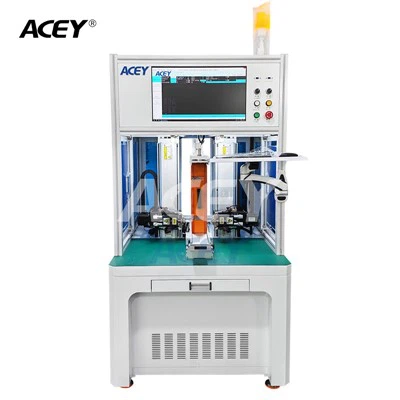
Hey there! As a supplier of Battery Pack Testers, I've seen firsthand how crucial it is to pick the right one for your needs. Whether you're a small business just starting out or a large-scale manufacturer, the right tester can make all the difference in ensuring the quality and safety of your battery packs. So, let's dive into how you can choose the perfect Battery Pack Tester.
Understanding Your Needs
First things first, you need to figure out what you'll be using the tester for. Are you testing small consumer battery packs, like those in smartphones or laptops? Or are you dealing with large industrial batteries, such as those used in electric vehicles or solar energy storage systems? The type of batteries you're working with will determine the specifications you need in a tester.
For instance, if you're testing small lithium-ion battery packs for consumer electronics, you might not need a tester with extremely high voltage or current capabilities. On the other hand, if you're working with large-scale batteries, you'll need a tester that can handle high voltages and currents.
Key Features to Consider
Voltage and Current Ratings
One of the most important features to look at is the voltage and current ratings of the tester. The voltage rating determines the maximum voltage the tester can handle, while the current rating indicates the maximum current it can measure. Make sure the tester you choose has ratings that are suitable for the battery packs you'll be testing.
For example, if you're testing battery packs with a maximum voltage of 30V and a current of up to 20A, you might want to consider a 30V 20A Battery Aging Machine Battery Pack Tester. This type of tester is specifically designed to handle these voltage and current levels.
Accuracy and Precision
Accuracy and precision are crucial when it comes to battery testing. You want a tester that can provide accurate measurements of voltage, current, and other parameters. Look for testers with high-resolution displays and low measurement errors.
A tester with high accuracy will ensure that you get reliable data about the performance of your battery packs. This is especially important if you're using the test results to make decisions about the quality and safety of the batteries.
Test Modes
Different battery packs may require different test modes. Some testers offer a variety of test modes, such as charge-discharge cycles, impedance testing, and self-discharge testing. Make sure the tester you choose has the test modes that are relevant to your needs.
For example, if you're interested in testing the charge-discharge characteristics of your battery packs, you'll want a tester that can perform charge-discharge cycles accurately. A 60V 100A Lithium Ion Battery Pack Charge Discharge Tester is a great option for this type of testing.
Data Logging and Analysis
Data logging and analysis capabilities are also important. A good tester should be able to record and store test data, which you can then analyze to gain insights into the performance of your battery packs. Look for testers that offer software for data analysis and reporting.
With data logging and analysis, you can track the performance of your battery packs over time, identify trends, and detect any potential issues early on. This can help you improve the quality and reliability of your battery packs.
Safety Features
Safety should always be a top priority when working with batteries. Look for testers that have built-in safety features, such as overvoltage protection, overcurrent protection, and short-circuit protection. These features will help prevent damage to the tester and the battery packs, as well as protect you from potential hazards.
For example, if a tester has overvoltage protection, it will automatically shut off if the voltage exceeds a certain limit, preventing damage to the battery pack and the tester.
Ease of Use
Another important factor to consider is the ease of use of the tester. You want a tester that is easy to operate, even if you're not an expert in battery testing. Look for testers with intuitive interfaces and clear instructions.


A tester with a user-friendly interface will save you time and frustration. You'll be able to set up and run tests quickly and easily, without having to spend a lot of time learning how to use the tester.
Cost
Of course, cost is also a factor to consider. You want to find a tester that offers the features you need at a reasonable price. However, don't just focus on the upfront cost. Consider the long-term value of the tester, including its accuracy, reliability, and ease of use.
Sometimes, it's worth investing a little more in a high-quality tester that will last longer and provide more accurate results. This can save you money in the long run by reducing the need for frequent replacements and repairs.
Brand Reputation
When choosing a Battery Pack Tester, it's also a good idea to consider the brand reputation. Look for brands that have a good track record of producing high-quality testers. You can read reviews and testimonials from other users to get an idea of the brand's reputation.
A well-established brand is more likely to provide reliable products and good customer support. This can give you peace of mind knowing that you're buying a quality product.
Conclusion
Choosing the right Battery Pack Tester is essential for ensuring the quality and safety of your battery packs. By understanding your needs, considering the key features, and taking into account factors like ease of use, cost, and brand reputation, you can find a tester that meets your requirements.
If you're still not sure which tester is right for you, or if you have any questions about our Battery Aging Machine or other products, feel free to reach out to us. We're here to help you make the best choice for your business. Let's start a conversation about your battery testing needs and find the perfect solution together.
References
- Battery Testing Handbook, various authors
- Industry standards and guidelines for battery testing