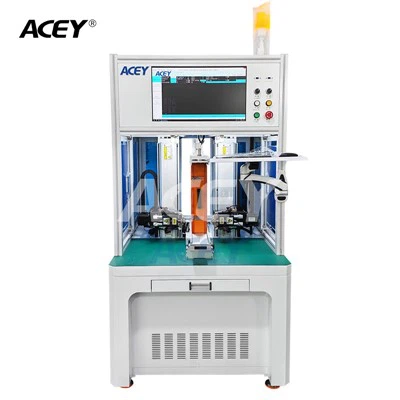
Hey there! As a supplier of Battery Testing Systems, I've seen firsthand how crucial it is to pick the right one. Whether you're in the business of manufacturing batteries or just need to test them for quality control, choosing the appropriate testing system can make a world of difference. So, let's dive into how you can make that right choice.
Understanding Your Testing Needs
First things first, you gotta figure out what exactly you need to test. Are you dealing with small, consumer - grade batteries like those in your smartphones or laptops? Or are you working with large industrial batteries used in electric vehicles or energy storage systems? The type of battery you're testing will significantly influence the kind of testing system you need.
For instance, if you're testing small lithium - ion batteries, you might need a system that can accurately measure parameters like voltage, current, and capacity at relatively low levels. On the other hand, if you're dealing with large prismatic batteries used in electric cars, you'll require a system that can handle high currents and voltages. That's where our Prismatic Battery Charge And Discharge Tester comes in handy. It's specifically designed to meet the rigorous testing requirements of prismatic batteries.
Accuracy and Precision
Accuracy is key when it comes to battery testing. You want a testing system that can provide reliable and consistent results. A small error in measurement can lead to incorrect conclusions about the battery's performance, which can be a big problem, especially in industries where safety and reliability are paramount.
Look for a system that has a high level of accuracy in measuring parameters such as voltage, current, and temperature. Our Battery Charge and Discharge Tester is known for its exceptional accuracy. It uses advanced sensors and algorithms to ensure that you get precise measurements every time.
Testing Capacity and Range
Another important factor to consider is the testing capacity and range of the system. You need to know how many batteries the system can test simultaneously and what the maximum and minimum values of voltage, current, and other parameters it can handle.


If you're running a large - scale battery manufacturing plant, you'll likely need a system that can test multiple batteries at once to increase efficiency. Our 5V 1000A Battery Charge Discharge Tester is a great option for high - capacity testing. It can handle high currents up to 1000A, making it suitable for a wide range of battery types.
Ease of Use
Let's face it, no one wants to deal with a complicated testing system. You want something that's easy to operate and understand. A user - friendly interface can save you a lot of time and frustration.
Look for a system that has an intuitive control panel and software. Our testing systems come with user - friendly software that allows you to easily set up test parameters, monitor the testing process, and analyze the results. You don't need to be a technical expert to use our systems.
Safety Features
Safety should always be a top priority when working with batteries. Batteries can be dangerous if not handled properly, especially when they're being tested.
A good battery testing system should have built - in safety features such as over - voltage protection, over - current protection, and short - circuit protection. These features help prevent accidents and ensure the safety of your operators and equipment. Our testing systems are designed with multiple safety mechanisms to give you peace of mind.
Compatibility
You also need to consider the compatibility of the testing system with your existing equipment and software. If you already have a battery management system or other testing equipment in place, you want a new testing system that can integrate seamlessly with them.
Our testing systems are designed to be highly compatible with a wide range of equipment and software. This means you can easily incorporate them into your existing testing setup without having to make major changes.
Cost - Effectiveness
Cost is always a consideration when making a purchase. You want to get the best value for your money. However, it's important not to sacrifice quality for a lower price.
When evaluating the cost of a battery testing system, consider not only the initial purchase price but also the long - term operating costs. A system that's more expensive upfront but has lower maintenance costs and higher reliability might be a better investment in the long run. Our testing systems offer a great balance between cost and performance, giving you high - quality testing at a reasonable price.
Technical Support and After - Sales Service
No matter how good a testing system is, you might still run into issues from time to time. That's why it's important to choose a supplier that offers excellent technical support and after - sales service.
We're committed to providing our customers with top - notch technical support. Our team of experts is always available to answer your questions, help you troubleshoot problems, and provide training if needed. We also offer regular software updates to ensure that your testing system stays up - to - date with the latest technology.
Conclusion
Choosing the right battery testing system is a critical decision that can have a big impact on your battery testing process. By considering factors such as your testing needs, accuracy, testing capacity, ease of use, safety features, compatibility, cost - effectiveness, and technical support, you can make an informed choice.
If you're still not sure which battery testing system is right for you, don't hesitate to reach out to us. We'd be more than happy to discuss your requirements and help you find the perfect solution. Whether you're a small - scale battery tester or a large - scale manufacturer, we have the expertise and products to meet your needs. Let's work together to ensure the quality and performance of your batteries.
References
- Battery Testing Handbook, various industry publications
- Technical documents on battery testing standards and best practices