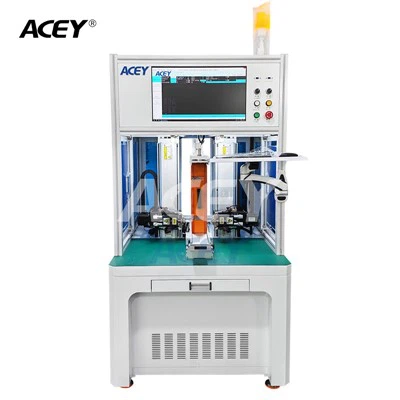
Maintaining a lithium-ion cell tester is crucial for ensuring accurate and reliable performance, especially when you're in the business of supplying these essential pieces of equipment. As a supplier of lithium-ion cell testers, I understand the significance of proper maintenance not only for the longevity of the tester but also for the satisfaction of my customers. In this blog post, I'll share some valuable insights on how to maintain a lithium-ion cell tester effectively.
Understanding the Basics of a Lithium-Ion Cell Tester
Before delving into maintenance, it's essential to have a basic understanding of what a lithium-ion cell tester does. A lithium-ion cell tester is a device used to measure various parameters of lithium-ion batteries, such as voltage, current, capacity, and internal resistance. These testers are widely used in research laboratories, battery manufacturing plants, and electronic device production facilities to ensure the quality and safety of lithium-ion batteries.
There are different types of lithium-ion cell testers available in the market, each with its own set of features and capabilities. For example, the 5V 200A Li Ion Battery Cell Testing Equipment is designed for high-current testing applications, while the 5V 3A Battery Charge Discharge Tester is more suitable for low-current testing. The Battery Charge and Discharge Tester is a versatile device that can perform both charging and discharging tests on lithium-ion batteries.
Regular Cleaning and Inspection
One of the most fundamental aspects of maintaining a lithium-ion cell tester is regular cleaning and inspection. Dust, dirt, and debris can accumulate on the tester's surface and components over time, which can affect its performance and accuracy. Therefore, it's important to clean the tester regularly using a soft, dry cloth to remove any dust or dirt.
In addition to cleaning, it's also important to inspect the tester for any signs of damage or wear. Check the cables, connectors, and probes for any fraying, cracks, or loose connections. If you notice any damage, replace the damaged parts immediately to prevent further problems.


Calibration and Verification
Calibration is another critical aspect of maintaining a lithium-ion cell tester. Over time, the tester's internal components may drift out of calibration, which can result in inaccurate test results. Therefore, it's important to calibrate the tester regularly using a known reference standard to ensure its accuracy.
The frequency of calibration depends on several factors, such as the type of tester, the frequency of use, and the environment in which it's used. In general, it's recommended to calibrate the tester at least once a year or more frequently if it's used in a harsh or demanding environment.
In addition to calibration, it's also important to verify the tester's performance periodically using a known reference battery. This will help you ensure that the tester is providing accurate and reliable results.
Software Updates
Most modern lithium-ion cell testers are equipped with software that controls their operation and displays the test results. Therefore, it's important to keep the tester's software up to date to ensure its performance and functionality.
Software updates can provide several benefits, such as improved accuracy, new features, and bug fixes. Check the manufacturer's website regularly for software updates and install them as soon as they become available.
Storage and Handling
Proper storage and handling of a lithium-ion cell tester are also important for its maintenance. When not in use, store the tester in a clean, dry, and cool environment to prevent damage from moisture, dust, and temperature extremes.
Avoid exposing the tester to direct sunlight, heat sources, or moisture, as this can damage its internal components. When transporting the tester, use a protective case or container to prevent damage from impact or vibration.
Training and Education
Finally, it's important to provide proper training and education to the users of the lithium-ion cell tester. This will help them understand how to operate the tester correctly, how to perform maintenance tasks, and how to troubleshoot common problems.
The manufacturer of the tester may provide training and education resources, such as user manuals, online tutorials, and training courses. Take advantage of these resources to ensure that your users are properly trained and educated.
Conclusion
Maintaining a lithium-ion cell tester is essential for ensuring its accuracy, reliability, and longevity. By following the tips and guidelines outlined in this blog post, you can keep your tester in good working condition and provide accurate and reliable test results to your customers.
If you're in the market for a high-quality lithium-ion cell tester, we invite you to contact us to discuss your specific needs and requirements. Our team of experts can help you select the right tester for your application and provide you with the support and service you need to ensure its performance and reliability.
References
- Manufacturer's user manuals and technical documentation
- Industry standards and guidelines for lithium-ion battery testing and maintenance