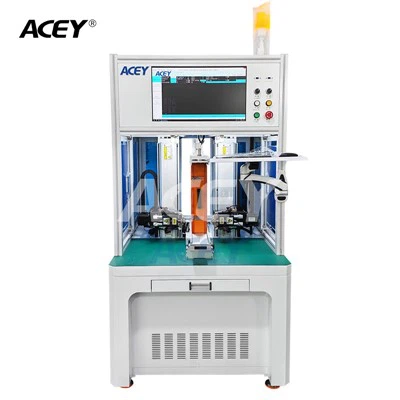
Hey there! As a supplier of Battery Labeling Machines, I've seen firsthand the challenges that businesses face when it comes to improving the labeling efficiency of these machines. In this blog post, I'm gonna share some tips and tricks that can help you get the most out of your battery labeling machine and boost your productivity.
1. Choose the Right Machine
The first step in improving labeling efficiency is to choose the right Battery Labeling Machine for your needs. There are different types of labeling machines available in the market, each designed for specific applications. For instance, if you're labeling small batteries in high volumes, a high - speed rotary labeling machine might be the best choice. On the other hand, if you have a variety of battery sizes and shapes, a semi - automatic or adjustable labeling machine could be more suitable. You can check out our Battery Labeling Machine page to see the different options we offer.
2. Optimize Label Design
The design of your labels can have a significant impact on the labeling efficiency. Labels that are too complex, with lots of small details or irregular shapes, can slow down the labeling process. Try to keep your label design simple and clean. Use standard shapes and sizes that are easy for the machine to handle. Also, make sure the label material is of good quality. Low - quality labels may stick together, jam the machine, or not adhere properly to the batteries.
3. Regular Maintenance
Just like any other piece of equipment, a battery labeling machine needs regular maintenance to perform at its best. Make sure to clean the machine regularly to remove any dust, debris, or adhesive residue. Check the mechanical parts for wear and tear and replace any damaged components promptly. Lubricate the moving parts as recommended by the manufacturer. A well - maintained machine is less likely to break down and will run more smoothly, which means higher labeling efficiency.
4. Operator Training
Your operators play a crucial role in the efficiency of the labeling process. Make sure they are properly trained to use the battery labeling machine. Training should cover not only the basic operation of the machine but also troubleshooting techniques. An operator who knows how to quickly identify and fix common problems can save a lot of time. Provide ongoing training to keep your operators updated on the latest features and best practices for using the machine.
5. Calibration
Proper calibration of the battery labeling machine is essential for accurate and efficient labeling. Over time, the machine may go out of calibration due to normal wear and tear. Regularly calibrate the machine to ensure that the labels are applied in the correct position and with the right amount of pressure. Incorrect calibration can lead to misaligned labels, which may require re - labeling and waste both time and materials.


6. Integration with Other Processes
If possible, integrate your battery labeling machine with other processes in your production line. For example, you can connect it to a battery filling or testing machine. This way, the batteries can move seamlessly from one process to the next, reducing the handling time and increasing overall efficiency. Some of our machines are designed to be easily integrated with other equipment, and you can find more information on our Battery Sticking Machine page.
7. Use of Automation
Automation can greatly improve the labeling efficiency of a battery labeling machine. Look for features such as automatic label feeding, cutting, and application. These features can reduce the need for manual intervention and speed up the labeling process. Some machines also come with advanced sensors and control systems that can adjust the labeling process in real - time based on the size and shape of the batteries.
8. Quality Control
Implement a quality control system to ensure that the labeled batteries meet your standards. Inspect a sample of the labeled batteries regularly to check for any defects, such as misaligned labels, poor adhesion, or damaged labels. If you find any issues, identify the root cause and take corrective action immediately. A good quality control system can prevent the production of defective products and save you time and money in the long run.
9. Consider Upgrades
If your existing battery labeling machine is old or not meeting your efficiency requirements, consider upgrading it. Newer models often come with improved features and technology that can significantly boost labeling efficiency. Upgrading may involve adding new components, such as a faster label applicator or a more advanced control system. You can contact us to discuss the upgrade options available for your machine.
10. Workflow Optimization
Take a look at your overall workflow and see if there are any bottlenecks or inefficiencies. For example, are the batteries being delivered to the labeling machine in an organized manner? Are there any unnecessary steps in the process? Streamlining your workflow can help reduce the time it takes to label each battery. You may also want to consider implementing a lean manufacturing approach to eliminate waste and improve productivity.
In conclusion, improving the labeling efficiency of a battery labeling machine requires a combination of the right machine, proper maintenance, well - trained operators, and optimized processes. By following these tips, you can increase the productivity of your battery labeling operation and save both time and money.
If you're interested in learning more about our Battery Labeling Machines or have any questions about improving labeling efficiency, feel free to reach out to us. We're here to help you find the best solutions for your business.
References
- General industry knowledge and experience in battery labeling machine manufacturing and operation.
- Manufacturer's manuals and technical documents for battery labeling machines.