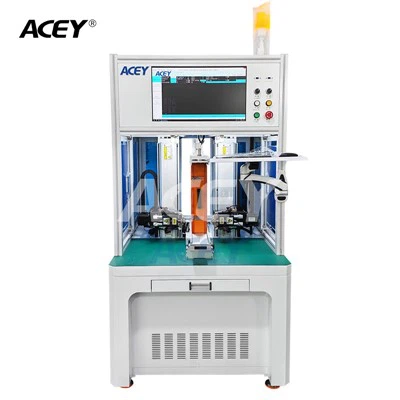
Hey there! As a supplier of Heat Shrinking Machine, I've seen my fair share of common issues that users encounter with these machines. Heat shrinking machines are super useful in packaging various products, but like any piece of equipment, they can run into problems from time to time. In this blog, I'm gonna walk you through some of these common problems and how to troubleshoot them.
1. Uneven Shrinkage
One of the most common issues I hear about is uneven shrinkage. This happens when the film doesn't shrink uniformly around the product, leaving some parts loose while others are tightly wrapped.
Possible Causes:
- Inconsistent Heat Distribution: The heating element in the machine might not be working evenly. Some parts of the heater could be hotter than others, causing uneven shrinkage.
- Incorrect Conveyor Speed: If the conveyor is moving too fast, the film won't have enough time to shrink properly. On the other hand, if it's too slow, the film might over - shrink in certain areas.
- Poor Film Quality: Low - quality shrink film might not shrink uniformly. It could have variations in thickness, which would lead to uneven results.
Troubleshooting Steps:
- Check the Heating Element: Inspect the heating element for any signs of damage, such as burned - out spots. You may need to replace the damaged parts or adjust the settings to ensure consistent heat distribution.
- Adjust the Conveyor Speed: Start by setting the conveyor to a medium speed and test it with a sample product. If the shrinkage is too loose, slow down the conveyor. If it's over - shrunk in some areas, speed it up a bit.
- Use High - Quality Film: Invest in good - quality shrink film from a reliable supplier. This will reduce the chances of uneven shrinkage due to film quality issues.
2. Film Jams
Film jams can be a real pain in the neck. They can stop the production process and cause a lot of frustration.
Possible Causes:
- Improper Film Loading: If the film is not loaded correctly onto the machine, it can get stuck in the rollers or other moving parts.
- Dirty or Worn - Out Rollers: Over time, the rollers can accumulate dirt, debris, or become worn out. This can cause the film to stick and jam.
- Incorrect Tension Settings: If the tension on the film is too high or too low, it can lead to jams.
Troubleshooting Steps:
- Reload the Film: Carefully remove the jammed film and reload it following the manufacturer's instructions. Make sure the film is properly aligned and threaded through all the rollers.
- Clean or Replace the Rollers: Use a clean cloth and a mild cleaning solution to clean the rollers. If they are too worn out, replace them with new ones.
- Adjust the Tension: Find the tension adjustment mechanism on your machine and adjust it according to the type and thickness of the film you're using. Test the machine with a small piece of film to see if the tension is correct.
3. Overheating
Overheating is a serious issue that can damage the machine and pose a safety risk.
Possible Causes:
- Blocked Ventilation: The vents on the machine might be blocked by dust, debris, or other objects. This prevents proper air circulation, causing the machine to overheat.
- Faulty Thermostat: The thermostat, which controls the temperature of the machine, might be malfunctioning. It could be set too high or not functioning at all.
- Excessive Use: If the machine is running continuously for long periods without proper breaks, it can overheat.
Troubleshooting Steps:
- Clean the Vents: Use a vacuum cleaner or compressed air to clean the vents on the machine. Make sure there are no obstructions and that air can flow freely.
- Check the Thermostat: Test the thermostat to see if it's working correctly. If not, it might need to be replaced. You can also adjust the temperature settings to a lower, more appropriate level.
- Give the Machine Breaks: If you're using the machine for extended periods, make sure to give it regular breaks. This will allow it to cool down and prevent overheating.
4. Sealing Issues
Proper sealing is crucial for a successful shrink - wrapping job. If the seal is weak or inconsistent, the packaging won't hold up.
Possible Causes:
- Incorrect Sealing Temperature: If the sealing temperature is too low, the film won't seal properly. If it's too high, the film might burn or melt.
- Worn - Out Sealing Bars: Over time, the sealing bars can become worn or damaged, which can lead to poor seals.
- Dirty Sealing Surface: A dirty sealing surface can prevent the film from sealing correctly.
Troubleshooting Steps:
- Adjust the Sealing Temperature: Find the optimal sealing temperature for the type of film you're using. You may need to do some trial and error to get it right.
- Replace the Sealing Bars: If the sealing bars are worn out, it's time to replace them. Make sure to get the correct size and type for your machine.
- Clean the Sealing Surface: Use a clean cloth and a mild cleaning solution to clean the sealing surface. Make sure it's free of dirt, debris, and any leftover film residue.
5. Electrical Problems
Electrical problems can be dangerous and can prevent the machine from working altogether.
Possible Causes:
- Loose Wires: Over time, the wires inside the machine can become loose due to vibration or movement. This can cause electrical shorts or intermittent power issues.
- Blown Fuses: If the machine experiences a power surge or overload, the fuses might blow.
- Faulty Electrical Components: Components such as switches, relays, or circuit boards can malfunction, causing electrical problems.
Troubleshooting Steps:
- Check the Wires: Inspect the wires inside the machine for any signs of looseness or damage. If you find any loose wires, tighten them carefully. If a wire is damaged, it may need to be replaced.
- Replace the Fuses: Locate the fuse box on the machine and check the fuses. If you find a blown fuse, replace it with a new one of the same rating.
- Consult a Professional: If you suspect a faulty electrical component, it's best to consult a professional electrician or the machine's manufacturer. Attempting to repair electrical components without proper knowledge can be dangerous.
In addition to these common problems, there are many other things that can go wrong with a heat shrinking machine. That's why it's important to do regular maintenance and keep an eye on how the machine is performing.

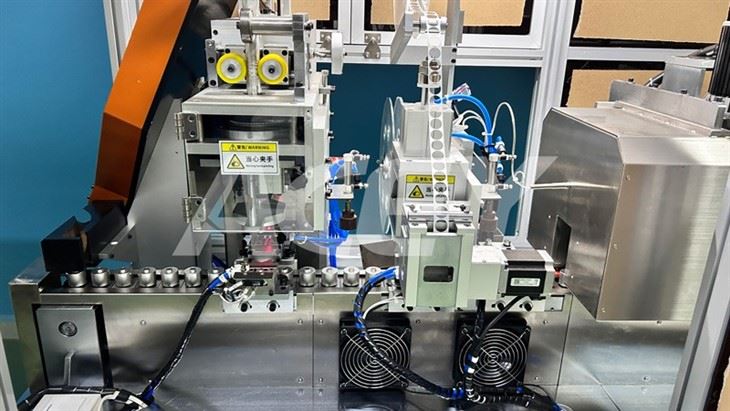
If you're in the market for a new Heat Shrinking Machine, or looking for an Automatic Sleeve Wrapping Machine With Cover or a Hot Shrink Wrapping Machine, we've got you covered. We offer a wide range of high - quality heat shrinking machines that are reliable and easy to operate. And if you run into any problems with our machines, our customer support team is always here to help you troubleshoot and get your machine back up and running as soon as possible.
If you're interested in purchasing one of our machines or have any questions about heat shrinking technology, don't hesitate to get in touch. We'd love to have a chat with you and discuss how our products can meet your packaging needs.
References
- Manufacturer's manuals for heat shrinking machines
- Industry best practices for operating and maintaining heat shrinking equipment