Testing software with low - latency requirements is a thrilling yet tough journey for a comprehensive tester like me. As a supplier of comprehensive testers, I've seen firsthand the myriad of challenges that come with this territory.
Understanding Low - Latency Requirements
First off, let's talk about what low - latency requirements mean. Simply put, low latency refers to the minimal delay between the input and output of a system. In software, this could translate to tasks like real - time data processing, where a delay of even a few milliseconds can cause significant problems. For example, in financial trading software, low latency is crucial. A delay in executing a trade can result in missed opportunities or substantial losses.
When dealing with such software, we need to ensure that our testing processes can replicate real - world conditions where these low - latency requirements are critical. That means setting up test environments that mimic the actual usage scenarios as closely as possible.
Challenges in Testing Environment Setup
One of the biggest headaches is creating a testing environment that accurately reflects the real - world in terms of latency. Networks are complex animals. In a production environment, a software system might face all sorts of network issues, like congestion, packet loss, and variable bandwidth. Replicating these conditions in a test environment is no walk in the park.
For instance, we might have a test network that appears to be stable during normal testing but fails to capture the sporadic network glitches that occur in the real world. These glitches can have a major impact on the latency of the software. To make matters worse, creating a network with similar characteristics to the production network often requires a significant amount of time and resources. We need to configure routers, switches, and other network devices to introduce the right amount of delay and variability.
Another aspect of the testing environment setup is the hardware. Different hardware configurations can have a profound impact on latency. A system with high - end processors and fast memory will generally have lower latency compared to a budget - friendly setup. As comprehensive testers, we need to test the software on various hardware configurations to ensure that it meets the low - latency requirements across the board.
Measuring and Analyzing Latency
Measuring latency accurately is a challenge in itself. There are different ways to measure latency, such as using time - stamping techniques. However, these methods are not foolproof. For example, time - stamping can be affected by clock synchronization issues between different components of the system. If the clocks are not in sync, the measured latency can be inaccurate, leading to false conclusions about the software's performance.
Once we've measured the latency, analyzing the data is another hurdle. We need to figure out whether the latency is within the acceptable range. But what is the acceptable range? That depends on the specific requirements of the software. In some cases, a few milliseconds of latency might be acceptable, while in others, even a fraction of a millisecond can be a deal - breaker.
We also need to dig deeper into the data to identify the root causes of high latency. It could be due to inefficient code, resource contention, or problems with the underlying infrastructure. Solving these problems requires a combination of technical skills and experience.
The Impact of Software Complexity
Modern software is incredibly complex. It often consists of multiple components that interact with each other in intricate ways. When testing software with low - latency requirements, this complexity can exacerbate the challenges.
For example, a single component with high latency can have a domino effect on the entire system. It might cause bottlenecks and slow down other components, leading to an overall increase in latency. Identifying these problematic components can be like finding a needle in a haystack. We need to use advanced debugging tools and techniques to trace the flow of data and identify the points of congestion.
Moreover, software is constantly evolving. New features are added, and existing ones are modified. This means that the testing process needs to be continuous. We can't just test the software once and assume that it will always meet the low - latency requirements. Every change to the software introduces the possibility of new latency issues.
Isolation and Compatibility Issues
In a testing environment, we often need to isolate different components of the software to understand their individual performance. However, isolating components can be tricky when dealing with low - latency software. Some components might rely on others in ways that are not immediately obvious. When we isolate them, we might not be able to accurately measure their latency because they are not operating in their natural context.
Compatibility is another concern. The software might need to work with different databases, operating systems, and third - party APIs. Ensuring that the software maintains low latency across all these different platforms and technologies is a real challenge. For example, a database might have different query response times depending on its configuration and the amount of data it stores. We need to test the software with various database configurations to make sure it performs well in all scenarios.
Tools and Resources for Low - Latency Testing
As a comprehensive tester supplier, I understand the importance of having the right tools and resources. There are specialized testing tools available in the market that can help with measuring and analyzing latency. However, these tools can be expensive and require a certain level of expertise to use effectively.
For example, network emulators can be used to simulate different network conditions. These emulators allow us to introduce delays, packet loss, and other network issues in a controlled environment. But setting up and configuring these emulators can be complex. We need to have a good understanding of the network protocols and the specific requirements of the software being tested.

In addition to tools, we also need skilled personnel. Testing software with low - latency requirements requires a team of testers who are well - versed in networking, programming, and performance analysis. Finding and training such personnel can be a challenge, especially in a competitive job market.
Our Solutions as a Comprehensive Tester Supplier
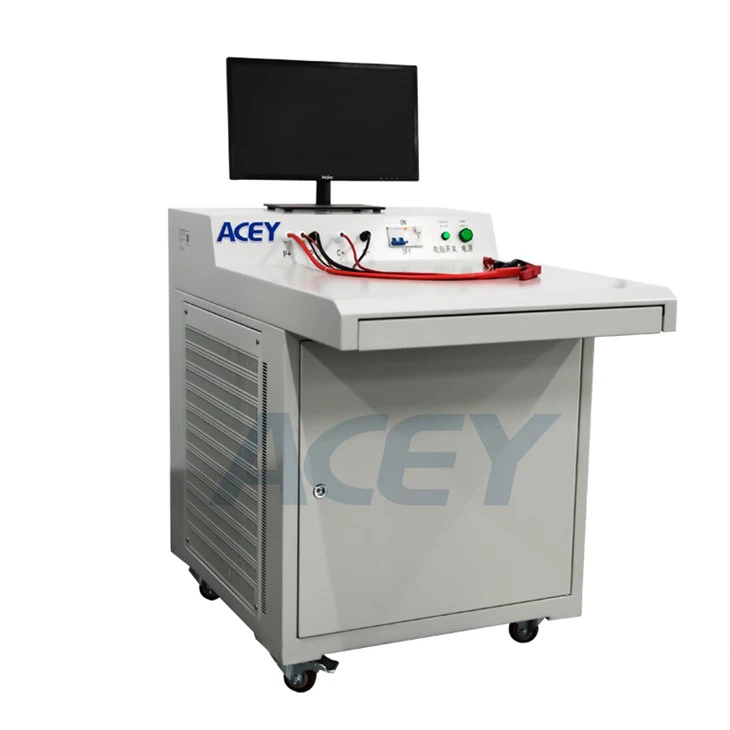
At our company, we've developed a range of comprehensive testers to help overcome these challenges. Our 100V 30A 120A Battery Comprehensive Tester and 100V 30A 300A Battery Comprehensive Tester are designed to provide accurate and reliable testing. These testers can simulate real - world scenarios, allowing us to test software under various conditions.
We also offer comprehensive testing services using our 60V 30A Charge 300A Discharge Battery Integrated Tester Manufacturer. Our team of experienced testers can help you identify and solve latency issues in your software. Whether you're developing financial trading software, gaming applications, or any other software with low - latency requirements, we've got you covered.
Connect with Us for Your Testing Needs
If you're facing challenges in testing software with low - latency requirements, don't hesitate to reach out to us. Our team is ready to work with you to develop customized testing solutions that meet your specific needs. We understand the importance of low latency in your software, and we're committed to helping you ensure its performance. Contact us today to start the conversation and take your software testing to the next level.
References
- Morris, J. (2020). Fundamentals of Low - Latency Systems. TechPub Publishing.
- Patel, S. (2021). Testing Software for Real - Time Applications. Wiley - India.