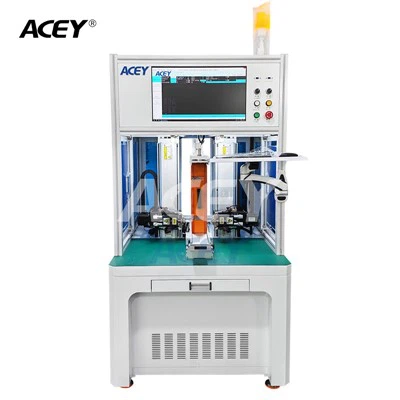
Hey there! As a supplier of Battery Pack Testers, I often get asked about the difference between a simple and a professional Battery Pack Tester. Well, let's dive right into it and break down the key distinctions.
Basic Features and Functionality
First off, let's talk about simple Battery Pack Testers. These are usually the go - to for hobbyists or those who just need a quick check on their battery packs. They're pretty straightforward. A simple tester can typically measure basic parameters like voltage. You know, just getting a rough idea of whether your battery is holding a charge or not. It's like taking a quick peek under the hood to see if the engine's running.
For example, if you're working on a small DIY project with a single battery pack, a simple tester can quickly tell you if the battery is still good to go. It might have a basic display that shows the voltage reading, and that's about it. It's easy to use, with just a few buttons or switches to operate. You connect the tester to the battery pack, and boom, you get a voltage reading.
On the other hand, professional Battery Pack Testers are a whole different ballgame. They're designed for in - depth analysis and testing. These testers can measure multiple parameters simultaneously. Besides voltage, they can measure current, capacity, internal resistance, and even temperature.
Let's say you're a manufacturer of electric vehicles or large - scale battery systems. You need to know exactly how your battery packs are performing. A professional tester can give you detailed information about the battery's charge and discharge cycles, its efficiency, and how it behaves under different loads. It's like having a high - tech diagnostic tool for your batteries.
Accuracy and Precision
Accuracy is a huge factor when it comes to battery testing. Simple testers usually have a lower level of accuracy. They might give you a ballpark figure, but there can be a significant margin of error. This is because they're not built with the same high - quality components and calibration as professional testers.
For instance, a simple voltage tester might be off by a few tenths of a volt. While this might not matter too much for a small, non - critical application, it can be a big deal in industries where precision is key.
Professional Battery Pack Testers, on the other hand, are highly accurate. They're calibrated to strict standards and use high - precision sensors. This means that the readings you get are much closer to the actual values. When you're dealing with expensive battery packs or safety - critical applications, like in medical devices or aerospace, you need that kind of accuracy.
Testing Capability
Simple testers are generally limited in their testing capabilities. They're mainly used for static testing, which means they test the battery in a non - dynamic state. For example, they might just measure the voltage of a fully charged battery sitting on a bench.
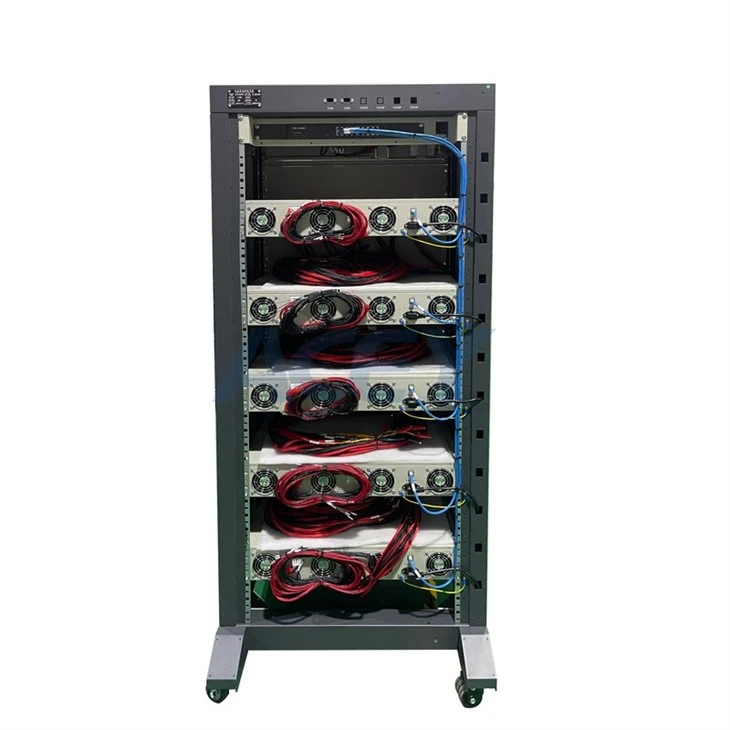
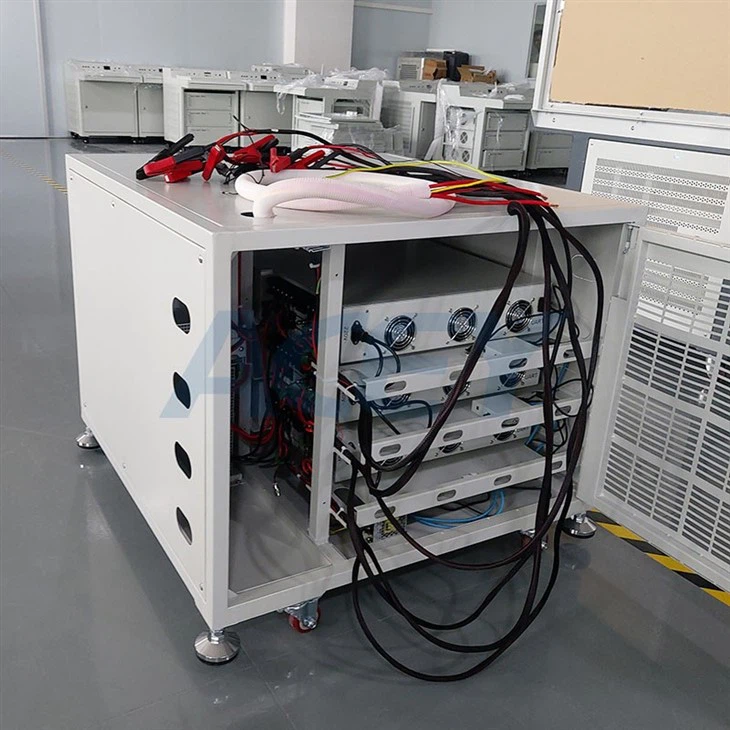
However, professional testers can perform dynamic testing. They can simulate real - world conditions, such as different charging and discharging rates, varying loads, and temperature changes. This is crucial for understanding how a battery pack will perform in actual use.
For example, in an electric vehicle, the battery is constantly being charged and discharged at different rates depending on driving conditions. A professional tester can replicate these conditions to see how the battery holds up over time. It can also perform long - term life cycle testing to predict how many charge - discharge cycles the battery can endure before its performance starts to degrade.
Data Logging and Analysis
Another area where professional and simple testers differ is in data logging and analysis. Simple testers usually don't have much in the way of data logging capabilities. You might get a single reading, and that's it. There's no way to track changes over time or analyze trends.
Professional Battery Pack Testers, on the contrary, come with advanced data logging features. They can record test data over a long period, including all the measured parameters like voltage, current, and temperature. This data can then be analyzed using software.
The software can generate detailed reports, graphs, and charts that show the battery's performance over time. You can identify patterns, such as how the battery's capacity changes with each charge - discharge cycle. This information is invaluable for battery research, quality control, and optimization.
Cost and Complexity
It's no surprise that simple Battery Pack Testers are much cheaper than professional ones. They have fewer features, lower - quality components, and are less complex to manufacture. This makes them accessible to hobbyists and small - scale users on a budget.
Professional testers, however, come with a higher price tag. The advanced features, high - precision components, and sophisticated software all contribute to the cost. But for businesses and industries that rely on accurate battery testing, the investment is well worth it.
In terms of complexity, simple testers are easy to use. You don't need a lot of technical knowledge to operate them. Just connect the tester to the battery, and you're good to go.
Professional testers, on the other hand, can be more complex to set up and operate. They often require some training to use effectively. You need to understand how to configure the testing parameters, interpret the data, and use the analysis software.
Our Product Range
At our company, we offer a wide range of Battery Pack Testers to suit different needs. If you're looking for a simple and affordable solution, we have basic testers that can get the job done for small - scale projects.
But if you're in need of a professional - grade tester, we've got you covered too. Check out our 20V 5A 80Channels Hybrid Battery Reconditioning Equipment For Sale. It's a powerful tool for reconditioning and testing hybrid batteries.
We also have the 100V 60A Energy - saving Battery Pack Life Cycle Tester, which is perfect for long - term life cycle testing of high - voltage battery packs.
And for those who need a top - of - the - line solution, our Regenerative Battery Pack Test System offers advanced features like energy regeneration, which helps to save on power costs during testing.
Conclusion
In conclusion, the difference between a simple and a professional Battery Pack Tester is quite significant. Simple testers are great for quick and basic checks, especially for hobbyists and small - scale applications. They're affordable and easy to use.
Professional testers, on the other hand, are essential for industries and businesses that require in - depth analysis, high accuracy, and long - term testing. They offer a wide range of features and capabilities that can help you optimize battery performance, ensure quality control, and make informed decisions.
If you're interested in learning more about our Battery Pack Testers or have any questions about which tester is right for you, don't hesitate to reach out. We're here to help you find the perfect solution for your battery testing needs.
References
- IEEE Standards Association. "IEEE Recommended Practice for Battery Monitoring in Stationary Applications."
- Battery University. Various articles on battery testing and performance analysis.