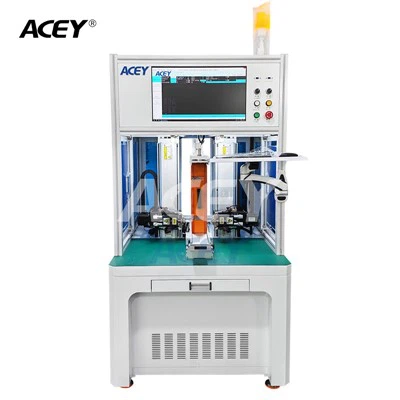
Power consumption is a critical factor when it comes to battery testing systems. As a leading supplier of Battery Testing Systems, we understand the significance of this aspect for our customers. In this blog, we will delve into the power consumption of battery testing systems, exploring its influencing factors, and how it impacts the overall cost and efficiency of battery testing operations.
Understanding the Basics of Power Consumption in Battery Testing Systems
Before we dive into the details, let's first understand what power consumption means in the context of battery testing systems. Power consumption refers to the amount of electrical energy used by the system during its operation. It is typically measured in watts (W) or kilowatts (kW) and is a key parameter that affects the running cost and environmental impact of the testing process.
The power consumption of a battery testing system is mainly determined by two factors: the power required for the testing equipment itself and the power consumed during the charging and discharging processes of the batteries being tested.
Power Requirements of Testing Equipment
The testing equipment in a battery testing system includes various components such as data acquisition units, control modules, and communication interfaces. These components consume power to perform their functions, such as measuring battery parameters, controlling the charging and discharging processes, and transmitting data.
The power consumption of the testing equipment depends on its complexity and functionality. For example, a simple Battery Cell Testing Equipment with basic measurement capabilities may consume less power compared to a more advanced system with additional features like multi-channel testing and real-time data analysis.
Power Consumption During Charging and Discharging
The charging and discharging processes of batteries are the main power-consuming activities in a battery testing system. When charging a battery, electrical energy is converted into chemical energy and stored in the battery. Conversely, during discharging, the chemical energy stored in the battery is converted back into electrical energy and released.
The power consumption during charging and discharging depends on several factors, including the battery's capacity, the charging and discharging current, and the efficiency of the charging and discharging circuits. Generally, larger capacity batteries require more power to charge and discharge, and higher charging and discharging currents result in higher power consumption.
Influencing Factors on Power Consumption
In addition to the factors mentioned above, there are several other factors that can influence the power consumption of a battery testing system.
Battery Chemistry
Different battery chemistries have different charging and discharging characteristics, which can affect the power consumption. For example, lithium-ion batteries typically have a higher energy density and require a more precise charging process compared to lead-acid batteries. This means that the power consumption during the charging and discharging of lithium-ion batteries may be different from that of lead-acid batteries.
Testing Protocol
The testing protocol used in a battery testing system also plays a significant role in determining the power consumption. Different testing protocols may require different charging and discharging currents, durations, and cycles, which can all impact the overall power consumption. For example, a more aggressive testing protocol with higher charging and discharging currents and shorter cycles may result in higher power consumption compared to a more conservative protocol.
System Efficiency
The efficiency of the battery testing system itself is another important factor that affects power consumption. A more efficient system can convert electrical energy into useful work more effectively, resulting in lower power consumption. Factors that can affect the system efficiency include the quality of the components, the design of the circuits, and the control algorithms used.
Impact of Power Consumption on Cost and Efficiency
The power consumption of a battery testing system has a direct impact on the cost and efficiency of battery testing operations. Higher power consumption means higher electricity bills, which can significantly increase the operating cost of the testing facility. In addition, excessive power consumption can also lead to increased heat generation, which may require additional cooling systems to maintain the proper operating temperature of the testing equipment.
On the other hand, reducing power consumption can not only save costs but also improve the efficiency of the testing process. By using more energy-efficient testing equipment and optimizing the testing protocols, it is possible to reduce the power consumption without sacrificing the accuracy and reliability of the testing results.
Strategies to Reduce Power Consumption
As a supplier of Battery Testing Systems, we are committed to helping our customers reduce the power consumption of their testing operations. Here are some strategies that we recommend:


Choose Energy-Efficient Equipment
When selecting a battery testing system, it is important to choose equipment that is designed to be energy-efficient. Look for systems that use high-quality components, advanced control algorithms, and efficient charging and discharging circuits. Our Battery Charging Discharging Tester and Battery Formation And Grading System are designed with energy efficiency in mind, helping you reduce power consumption and save costs.
Optimize Testing Protocols
Another effective way to reduce power consumption is to optimize the testing protocols. By carefully selecting the charging and discharging currents, durations, and cycles, it is possible to minimize the power consumption while still achieving the desired testing results. Our technical support team can help you develop customized testing protocols based on your specific requirements and battery characteristics.
Implement Energy Management Systems
Energy management systems can be used to monitor and control the power consumption of the battery testing system. These systems can automatically adjust the charging and discharging processes based on the real-time power consumption and battery status, ensuring that the system operates at the most energy-efficient level.
Conclusion
In conclusion, the power consumption of a battery testing system is a complex issue that is influenced by multiple factors. As a supplier of Battery Testing Systems, we understand the importance of power consumption for our customers and are committed to providing energy-efficient solutions. By choosing our high-quality testing equipment, optimizing the testing protocols, and implementing energy management systems, you can reduce the power consumption of your battery testing operations, save costs, and improve the overall efficiency of your testing facility.
If you are interested in learning more about our Battery Testing Systems or have any questions regarding power consumption, please feel free to contact us. We look forward to discussing your specific requirements and helping you find the best solution for your battery testing needs.
References
- Battery Testing Handbook, published by a leading battery industry association.
- Technical papers on battery testing and energy efficiency from academic journals.