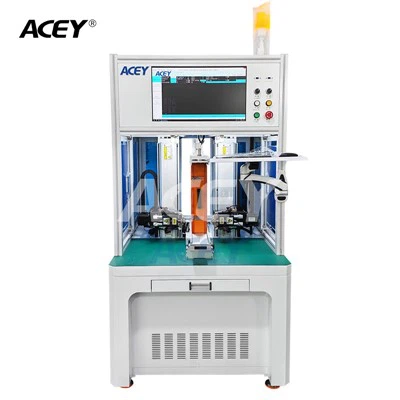
In the dynamic landscape of energy storage and electric mobility, battery packs have emerged as the linchpin, powering everything from portable electronics to electric vehicles (EVs). As a leading supplier of Battery Pack Test Systems, I've witnessed firsthand the critical role these systems play in ensuring the reliability, safety, and performance of battery packs. In this blog post, I'll delve into the purpose of a Battery Pack Test System, exploring its significance across various industries and applications.
Ensuring Quality and Safety
One of the primary purposes of a Battery Pack Test System is to ensure the quality and safety of battery packs. Battery packs are complex systems that consist of multiple cells connected in series and parallel configurations. Each cell has its own unique characteristics, such as capacity, voltage, and internal resistance. Variations in these characteristics can lead to imbalances within the battery pack, which can cause overheating, reduced performance, and even safety hazards.
A Battery Pack Test System allows manufacturers to perform a comprehensive range of tests on battery packs, including capacity testing, voltage testing, internal resistance testing, and temperature testing. By measuring these parameters, manufacturers can identify any potential issues with the battery pack and take corrective action before it is released to the market. For example, Battery Ir Internal Resistance Tester can accurately measure the internal resistance of individual cells within a battery pack, which is a critical indicator of cell health. High internal resistance can indicate a variety of problems, such as aging, overcharging, or short circuits. By detecting these issues early, manufacturers can prevent battery failures and ensure the safety of their products.
Optimizing Performance
In addition to ensuring quality and safety, a Battery Pack Test System can also be used to optimize the performance of battery packs. Battery packs are designed to deliver a specific amount of energy over a certain period of time. However, factors such as temperature, charge rate, and discharge rate can affect the performance of the battery pack. By performing performance testing, manufacturers can determine the optimal operating conditions for the battery pack and develop strategies to improve its performance.


For example, a Battery Pack Test System can be used to perform cycle life testing, which involves repeatedly charging and discharging the battery pack to simulate real-world usage. By monitoring the performance of the battery pack over multiple cycles, manufacturers can determine its cycle life, which is the number of charge-discharge cycles the battery pack can withstand before its capacity drops below a certain threshold. By optimizing the charging and discharging parameters, manufacturers can extend the cycle life of the battery pack and improve its overall performance.
Complying with Standards and Regulations
Another important purpose of a Battery Pack Test System is to ensure compliance with standards and regulations. Battery packs are subject to a variety of national and international standards and regulations, which are designed to ensure their safety and performance. For example, the International Electrotechnical Commission (IEC) has developed a series of standards for battery packs, including IEC 62133, which specifies the safety requirements for portable sealed secondary lithium cells and batteries.
A Battery Pack Test System allows manufacturers to test their battery packs against these standards and regulations to ensure compliance. By demonstrating compliance, manufacturers can gain access to global markets and build trust with their customers. For example, 100V 200A EV Battery Pack Tester China Battery Aging Machine is designed to meet the requirements of various international standards and regulations, making it suitable for use in a wide range of applications, including electric vehicles, energy storage systems, and portable electronics.
Supporting Research and Development
Finally, a Battery Pack Test System can also be used to support research and development efforts in the field of battery technology. As the demand for high-performance battery packs continues to grow, researchers are constantly exploring new materials, designs, and manufacturing processes to improve the performance and safety of battery packs. A Battery Pack Test System provides researchers with a powerful tool to evaluate the performance of new battery technologies and compare them with existing technologies.
For example, a Battery Pack Test System can be used to perform electrochemical impedance spectroscopy (EIS), which is a technique used to study the electrochemical processes occurring within a battery cell. By analyzing the EIS data, researchers can gain insights into the internal structure and behavior of the battery cell, which can help them to develop new materials and designs to improve its performance. Additionally, a Battery Pack Test System can be used to perform thermal imaging, which allows researchers to visualize the temperature distribution within a battery pack during charging and discharging. By identifying areas of high temperature, researchers can develop strategies to improve the thermal management of the battery pack and prevent thermal runaway.
Conclusion
In conclusion, the purpose of a Battery Pack Test System is multifaceted. It plays a crucial role in ensuring the quality, safety, and performance of battery packs, complying with standards and regulations, and supporting research and development efforts in the field of battery technology. As a supplier of Battery Pack Test Systems, we are committed to providing our customers with the highest quality products and services to meet their testing needs. Whether you are a battery manufacturer, an electric vehicle manufacturer, or a research institution, our 30V 20A Battery Aging Machine Battery Pack Tester can help you to optimize your battery pack design and manufacturing processes.
If you are interested in learning more about our Battery Pack Test Systems or would like to discuss your specific testing requirements, please don't hesitate to contact us. Our team of experts is ready to assist you in finding the right solution for your needs.
References
- International Electrotechnical Commission. (2017). IEC 62133: Safety requirements for portable sealed secondary lithium cells, and for batteries made from them, for use in portable equipment.
- Tarascon, J.-M., & Armand, M. (2001). Issues and challenges facing rechargeable lithium batteries. Nature, 414(6861), 359-367.