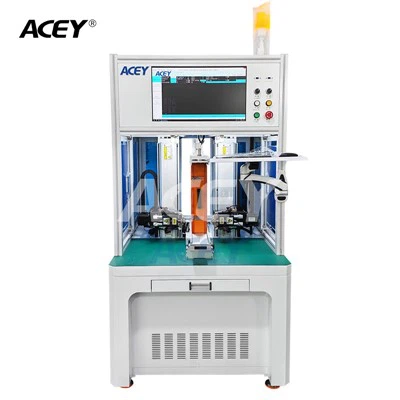
As a supplier of Bms Testing Equipment, I understand the critical importance of proper maintenance to ensure the longevity, accuracy, and reliability of these essential tools. In this blog post, I will delve into the key maintenance requirements for Bms Testing Equipment, providing valuable insights and practical tips to help you keep your equipment in optimal condition.
Regular Cleaning and Inspection
One of the most fundamental maintenance tasks for Bms Testing Equipment is regular cleaning and inspection. Dust, dirt, and debris can accumulate on the equipment over time, which can affect its performance and accuracy. To prevent this, it is recommended to clean the equipment at least once a month using a soft, dry cloth. Avoid using abrasive materials or harsh chemicals, as these can damage the equipment.
In addition to cleaning, regular inspection is also essential to identify any potential issues or damage. Check the equipment for any signs of wear and tear, such as loose connections, frayed wires, or cracked components. If you notice any issues, it is important to address them immediately to prevent further damage and ensure the safety of the equipment.
Calibration and Verification
Calibration and verification are crucial maintenance tasks for Bms Testing Equipment to ensure its accuracy and reliability. Over time, the equipment may drift out of calibration, which can lead to inaccurate test results. To prevent this, it is recommended to calibrate the equipment at least once a year or as recommended by the manufacturer.
Calibration involves comparing the output of the equipment to a known standard to ensure its accuracy. This can be done using a calibration device or by sending the equipment to a certified calibration laboratory. Verification, on the other hand, involves checking the equipment's performance against a set of pre-defined criteria to ensure it meets the required specifications.
Software Updates
Software updates are another important maintenance task for Bms Testing Equipment. Manufacturers often release software updates to improve the performance, functionality, and security of the equipment. These updates may include bug fixes, new features, or compatibility improvements.


To ensure the equipment is running the latest software version, it is recommended to check for updates regularly and install them as soon as they become available. This can usually be done through the equipment's built-in software update mechanism or by downloading the updates from the manufacturer's website.
Environmental Considerations
The environment in which the Bms Testing Equipment is used and stored can also have a significant impact on its performance and longevity. Extreme temperatures, humidity, and dust can all affect the equipment's operation and cause damage over time.
To protect the equipment from environmental factors, it is recommended to store it in a clean, dry, and temperature-controlled environment. Avoid exposing the equipment to direct sunlight, moisture, or extreme temperatures. If the equipment needs to be used in a harsh environment, such as a factory or outdoor setting, it is recommended to use protective enclosures or covers to shield it from the elements.
Training and Education
Proper training and education are essential for anyone using Bms Testing Equipment. Operators should be trained on how to use the equipment correctly, including how to perform tests, interpret results, and troubleshoot common issues. They should also be familiar with the equipment's maintenance requirements and procedures.
In addition to operator training, it is also important to provide ongoing education and support to keep operators up-to-date with the latest technologies and best practices. This can include attending industry conferences, workshops, or training courses, as well as subscribing to industry publications and newsletters.
Spare Parts and Accessories
Having a supply of spare parts and accessories on hand is also important for maintaining Bms Testing Equipment. In the event of a component failure or damage, having the necessary spare parts available can minimize downtime and ensure the equipment can be repaired quickly.
It is recommended to keep a stock of commonly used spare parts, such as fuses, cables, and connectors, as well as any specialized parts that may be required for your specific equipment. You should also ensure that the spare parts are compatible with your equipment and are of high quality.
Documentation and Record-Keeping
Maintaining accurate documentation and records is essential for tracking the maintenance history of the Bms Testing Equipment. This includes keeping records of calibration dates, maintenance tasks performed, software updates installed, and any repairs or replacements made.
Documentation and record-keeping can help you identify trends and patterns in the equipment's performance, as well as provide evidence of compliance with regulatory requirements. It can also be useful for troubleshooting and diagnosing issues, as well as for planning future maintenance and upgrades.
Conclusion
Proper maintenance is essential for ensuring the longevity, accuracy, and reliability of Bms Testing Equipment. By following the maintenance requirements outlined in this blog post, you can keep your equipment in optimal condition and minimize downtime and repair costs.
If you have any questions or need further information about the maintenance requirements for Bms Testing Equipment, please do not hesitate to [contact us for procurement and negotiation]. We are a leading supplier of high-quality Bms Testing Equipment, including the Bms Testing Machine, Optional 24 Series Battery Management System Test Equipment With PC, and 1-24 Series 100A Charge 150A Discharge BMS Tester. Our team of experts is always available to provide you with the support and guidance you need to ensure the success of your battery testing operations.
References
- Manufacturer's equipment manuals and documentation
- Industry standards and best practices for battery testing equipment maintenance
- Professional training courses and workshops on battery testing equipment maintenance