overview
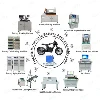
Aging is a critical process in the manufacturing of lithium-ion batteries. Formed batteries are placed in a room/incubator at a certain temperature (e.g., 45°C) for a period of time (e.g., 1-7 days). During this period, the voltage changes of each cell are continuously monitored. Essentially, this process stabilizes battery performance and screens out substandard products through stabilization (at room or elevated temperatures) and charging and discharging cycles. This step is necessary for the following reasons:
Chemical and Electrochemical Stabilization (Core Purpose)
1. Stabilizing and Repairing the SEI Film: During the initial charge (formation) of a battery, the electrolyte undergoes a reduction reaction on the graphite surface of the negative electrode, forming a solid electrolyte interface (SEI) film. This film is crucial to the battery's lifespan, safety, and performance. However, the newly formed SEI film is structurally unstable and loose, making it susceptible to cracking and decomposition. The aging process, especially standing at a certain temperature, provides an opportunity for the SEI film to stabilize and repair, making its structure more stable and uniform, thereby better preventing the continued decomposition of the electrolyte and improving the battery's cycle life.
2. Side Reactions and Impurity Depletion: Some unavoidable side reactions occur within the battery, such as trace reactions between the electrolyte and the positive and negative electrode materials, and the consumption of residual water. The aging process, especially high-temperature aging, can accelerate these side reactions under controlled conditions. This allows the battery to reach a relatively stable state before it reaches the user, avoiding abnormal voltage or capacity decay during initial use.
Internal Physical Structure Balance
1. Sufficient Electrolyte Wetting: Although the battery undergoes a wetting process after filling, the electrolyte in the pores of the separator and electrode may not be completely and evenly saturated with electrolyte. The standing period during the aging process provides the electrolyte with ample time and the appropriate temperature to fully soak into the electrode, ensuring the proper migration of lithium ions. Insufficient wetting can lead to problems such as high internal resistance and incomplete capacity utilization.
2. Internal Stress Relief: Microstress is generated within the material during processes such as electrode sheet rolling, winding, and lamination. The aging process, accompanied by resting and gentle charging and discharging, helps release these internal stresses, making the electrode structure more stable.

Performance Screening and Quality Inspection
1. Screening for Batteries with Micro-Shorts and Excessive Self-Discharge: During production, electrode sheet burrs, separator defects, and dust impurities can all cause micro-shorts within the battery. Micro-shorts can cause a rapid drop in battery voltage. By monitoring the voltage drop (K value) during the aging process (especially during the high-temperature rest phase), these substandard batteries can be accurately identified and eliminated, minimizing the supply of defective cells to customers. This is the most important screening function of the aging process.
2. Screening for Consistency: Even batteries produced within the same batch can exhibit subtle variations in performance (capacity, internal resistance, and self-discharge rate). The aging process fully exposes these variations. By measuring parameters such as voltage and internal resistance of all cells after aging, batteries can be sorted and grouped to ensure highly consistent performance within each cell when assembled into a battery pack. Consistency is the foundation of battery pack lifespan and safety.
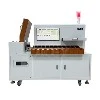
ACEY-BA60100-16 battery aging machine is applied to the integrated charge discharge cycle test system of low string lithium battery pack cycle charge and discharge, battery pack function test and charge discharge data monitoring, such as electric tools, solar energy storage, etc.

Summary
Generally speaking, battery aging is a transitional period from "violent turbulence" to "calm stability," allowing the internal chemical system to become stable and reliable. For manufacturers, aging is a crucial quality control step. Through time and environmental pressure, it intercepts substandard and unstable products on the battery production line, significantly improving the safety and consistency of the final product. While omitting or shortening the aging process can increase short-term production capacity, it can also lead to significant long-term safety risks and batch quality issues, which is undoubtedly catastrophic for manufacturers.