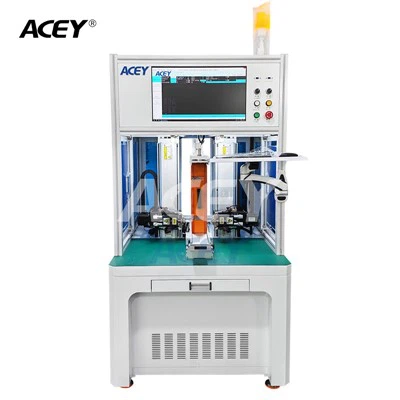
Can a battery testing system be calibrated? You bet it can! As a supplier of battery testing systems, I've seen firsthand the importance of calibration in ensuring accurate and reliable results. In this blog post, I'll share my insights on why calibration is crucial, how it works, and what you need to know to keep your battery testing system in top shape.
Let's start with the basics. What exactly is calibration? In simple terms, calibration is the process of comparing the measurements of a device to a known standard to ensure its accuracy. When it comes to battery testing systems, calibration is essential because it directly impacts the quality and reliability of the test results. If your system isn't calibrated correctly, you could end up with inaccurate readings, which can lead to faulty batteries being approved or good batteries being rejected.


So, why is calibration so important for battery testing systems? Well, there are several reasons. First and foremost, calibration ensures that your system is providing accurate and consistent results. This is crucial for quality control purposes, as it allows you to identify and reject batteries that don't meet your specifications. Additionally, accurate test results are essential for research and development, as they provide valuable data that can be used to improve battery performance and design.
Another reason why calibration is important is that it helps to extend the lifespan of your battery testing system. Over time, the components of your system can wear out or become damaged, which can affect its accuracy. By calibrating your system regularly, you can identify and address any issues before they become major problems, which can help to prevent costly repairs and downtime.
Now that we've established why calibration is important, let's take a closer look at how it works. The calibration process typically involves comparing the measurements of your battery testing system to a known standard, such as a reference battery or a calibrated instrument. This comparison is usually done using specialized equipment and software, which allows for precise measurements and analysis.
During the calibration process, the technician will typically perform a series of tests to evaluate the accuracy of your system. These tests may include measuring the voltage, current, and temperature of the batteries being tested, as well as checking the accuracy of the system's sensors and controls. Based on the results of these tests, the technician will make any necessary adjustments to the system to ensure its accuracy.
It's important to note that calibration is not a one-time event. In order to ensure the continued accuracy of your battery testing system, it's recommended that you have it calibrated on a regular basis. The frequency of calibration will depend on a variety of factors, including the type of system you have, how often it's used, and the environment in which it operates. As a general rule, it's a good idea to have your system calibrated at least once a year, or more frequently if you're using it in a high-volume or high-stress environment.
So, what do you need to know to keep your battery testing system in top shape? Here are a few tips:
- Choose a reputable calibration service provider: When it comes to calibrating your battery testing system, it's important to choose a service provider that has the experience and expertise to do the job right. Look for a provider that is accredited by a recognized organization, such as the National Institute of Standards and Technology (NIST), and that has a proven track record of providing high-quality calibration services.
- Follow the manufacturer's recommendations: The manufacturer of your battery testing system will typically provide recommendations for calibration and maintenance. It's important to follow these recommendations to ensure the continued accuracy and reliability of your system.
- Keep accurate records: It's a good idea to keep accurate records of all calibration and maintenance activities for your battery testing system. This will help you to track the performance of your system over time and to identify any trends or issues that may need to be addressed.
- Invest in quality equipment: Finally, it's important to invest in high-quality battery testing equipment. While it may be tempting to cut corners and purchase cheaper equipment, this can ultimately end up costing you more in the long run. By investing in quality equipment, you can ensure that your system is accurate, reliable, and durable, which can help to improve your bottom line.
At our company, we offer a wide range of battery testing systems, including the 5V 10A 256Chs Prismatic Lithium Cell Grading Machine, the Lithium Battery Cell Capacity Tester, and the 5V 10A 256Chs Battery Charge Discharge Test Equipment. Our systems are designed to provide accurate and reliable results, and we offer calibration and maintenance services to ensure that your system is always in top shape.
If you're in the market for a battery testing system, or if you need calibration or maintenance services for your existing system, we'd love to hear from you. Contact us today to learn more about our products and services, and to schedule a consultation with one of our experts.
References
- ISO/IEC 17025:2017, General requirements for the competence of testing and calibration laboratories.
- NIST Handbook 133, Checking the Net Contents of Packaged Goods.
- ASTM E29, Standard Practice for Using Significant Digits in Test Data to Determine Conformance with Specifications.