What are the transport requirements for battery packs after assembly on the line?
As a supplier of Battery Pack Assembly Line, I've witnessed firsthand the critical importance of proper transportation for battery packs post - assembly. In this blog, I'll delve into the various transport requirements that need to be met to ensure the safety and integrity of these vital energy sources.
1. Packaging
The first line of defense during transportation is appropriate packaging. Battery packs are sensitive components, and they must be protected from physical damage, shock, and vibration. Each battery pack should be individually wrapped in anti - static foam or other cushioning materials. This not only prevents scratches and dents but also reduces the risk of short - circuits caused by contact with sharp objects.
For larger shipments, battery packs are often placed in custom - designed plastic or cardboard containers. These containers are engineered to fit the shape and size of the battery packs precisely, minimizing movement during transit. Additionally, the containers should be labeled clearly with information such as the battery type, voltage, capacity, and handling instructions. This ensures that everyone involved in the transportation process is aware of the nature of the product and can handle it accordingly.
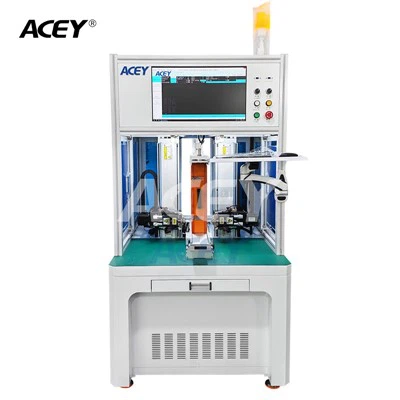
Our Battery Pack Production Line is designed to produce high - quality battery packs that are ready for proper packaging. It includes features that ensure the battery packs are well - assembled and in a condition suitable for safe transportation.
2. Temperature Control
Battery packs are highly sensitive to temperature fluctuations. Extreme heat can cause the battery to overheat, leading to a reduction in its lifespan, performance degradation, and in some cases, even thermal runaway. On the other hand, extremely cold temperatures can cause the battery's electrolyte to freeze, which can damage the internal structure of the battery.
During transportation, it is essential to maintain the battery packs within a specific temperature range. For most lithium - ion batteries, this range is typically between 20°C and 25°C. To achieve this, specialized transportation vehicles with temperature - controlled compartments can be used. These compartments are equipped with heating and cooling systems that can adjust the temperature as needed.
If the transportation distance is short, insulated packaging can be used to provide some degree of temperature protection. However, for long - distance shipments, temperature - controlled trucks, trains, or even airplanes may be required. Our Lithium Battery Capacity Tester can be used during the assembly process to ensure that the battery packs are functioning optimally before transportation, and any temperature - related issues can be detected early.
3. Safety Regulations and Documentation
Transporting battery packs is subject to a wide range of safety regulations at both national and international levels. These regulations are in place to protect the environment, public safety, and the integrity of the transportation system.
Before shipping battery packs, it is crucial to ensure that all necessary documentation is in order. This includes a bill of lading, which details the contents of the shipment, the origin, and the destination. Additionally, safety data sheets (SDS) must be provided for each type of battery pack. The SDS contains information about the battery's chemical composition, potential hazards, and first - aid measures in case of an accident.
It is also important to comply with the International Air Transport Association (IATA) regulations if the battery packs are being transported by air. These regulations specify the maximum quantity of batteries that can be shipped, the packaging requirements, and the labeling requirements. Similarly, the Department of Transportation (DOT) in the United States has its own set of regulations for ground transportation.
4. Handling and Stowage
Proper handling and stowage of battery packs during transportation are essential to prevent damage and ensure safety. Battery packs should be handled with care at all times, and workers should be trained on the correct handling procedures.
When stowing battery packs in a transportation vehicle, they should be arranged in a way that minimizes movement. This can be achieved by using dividers or straps to secure the battery packs in place. The battery packs should also be stowed in a well - ventilated area to prevent the build - up of any potentially hazardous gases that may be emitted by the batteries.
During loading and unloading, it is important to use appropriate equipment such as forklifts or pallet jacks. These equipment should be in good working condition and operated by trained personnel. Our Lithium Ion Battery Pack Spot Welding Machine is used in the assembly process to create strong and reliable connections within the battery packs, which helps to ensure their integrity during handling and transportation.
5. Monitoring
Continuous monitoring of the battery packs during transportation is crucial to detect any potential issues early. This can be done using sensors that measure parameters such as temperature, voltage, and current. These sensors can be connected to a monitoring system that provides real - time data to the transportation company and the customer.
If any abnormal readings are detected, the transportation company can take immediate action. For example, if the temperature of a battery pack exceeds the safe range, the vehicle can be stopped, and the battery pack can be inspected or cooled down. This proactive approach helps to prevent accidents and ensure the safe delivery of the battery packs.
In conclusion, meeting the transport requirements for battery packs after assembly on the line is a complex but essential task. By ensuring proper packaging, temperature control, compliance with safety regulations, correct handling and stowage, and continuous monitoring, we can minimize the risks associated with transporting battery packs and ensure their safe and efficient delivery to the end - user.
If you are in the market for a high - quality Battery Pack Assembly Line or have specific requirements for battery pack transportation, I encourage you to reach out to us. We have the expertise and experience to provide you with the best solutions for your battery pack production and transportation needs.


References
- International Air Transport Association (IATA) Dangerous Goods Regulations
- Department of Transportation (DOT) Hazardous Materials Regulations
- Battery Industry Standards and Guidelines