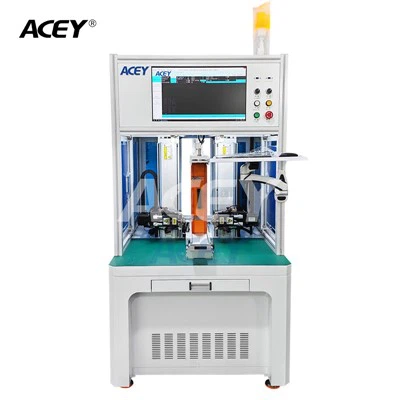
In the realm of battery management systems (BMS), ensuring their proper functionality is of utmost importance. One critical aspect of BMS functionality is its communication ability. As a leading supplier of Bms Testing Machine, I often encounter the question: Can a Bms Testing Machine test the communication function of BMS? In this blog, I will delve into this topic, providing a comprehensive analysis and insights.
Understanding the Communication Function of BMS
Before we discuss whether a Bms Testing Machine can test the communication function of BMS, it's essential to understand what the communication function of BMS entails. A BMS is designed to manage and monitor a battery pack, and communication is a key part of this process. It allows the BMS to interact with other components in the system, such as the battery charger, the vehicle's electronic control unit (ECU), or a monitoring and diagnostic system.
The communication function of BMS typically involves the transmission of data related to battery status, such as voltage, current, temperature, state of charge (SOC), and state of health (SOH). This data is crucial for the proper operation of the battery system, as it enables the system to make informed decisions about charging, discharging, and protection.
The Role of Bms Testing Machine
A Bms Testing Machine is a specialized piece of equipment designed to test the various functions of a BMS. It can simulate different operating conditions and scenarios to evaluate the performance and reliability of the BMS. The primary purpose of a Bms Testing Machine is to ensure that the BMS meets the required standards and specifications before it is integrated into a battery system.
There are several types of tests that a Bms Testing Machine can perform, including electrical performance tests, protection function tests, and communication function tests. Electrical performance tests measure parameters such as voltage, current, and resistance to ensure that the BMS can accurately monitor and control the battery pack. Protection function tests verify that the BMS can protect the battery from overcharging, over - discharging, over - temperature, and short - circuit conditions.
Testing the Communication Function of BMS with a Bms Testing Machine
Now, let's address the question: Can a Bms Testing Machine test the communication function of BMS? The answer is yes. A well - designed Bms Testing Machine can effectively test the communication function of BMS in several ways.
Protocol Compliance Testing
One of the key aspects of communication function testing is protocol compliance testing. Different BMS may use different communication protocols, such as CAN (Controller Area Network), LIN (Local Interconnect Network), or Modbus. A Bms Testing Machine can be configured to support these protocols and verify that the BMS can communicate correctly according to the specified protocol.
For example, the Bms Testing Equipment we offer is equipped with advanced protocol analysis capabilities. It can send and receive data packets according to the specific protocol requirements and check if the BMS responds correctly. This helps to ensure that the BMS can communicate seamlessly with other components in the system.
Data Transmission and Reception Testing
Another important part of communication function testing is data transmission and reception testing. The Bms Testing Machine can simulate different data transmission scenarios and measure the accuracy and reliability of data transfer. It can check if the BMS can correctly transmit battery status data and receive control commands from other devices.
For instance, the Optional 1 - 32Series 500A Charge 800A Discharge Battery Management System Test Equipment is capable of generating various data patterns and sending them to the BMS. It then monitors the received data from the BMS to detect any errors or inconsistencies. This type of testing is crucial for ensuring the integrity of the communication link between the BMS and other components.
Communication Speed and Latency Testing
In addition to protocol compliance and data transmission/reception, communication speed and latency are also important factors to consider. A Bms Testing Machine can measure the communication speed of the BMS and the latency between data transmission and reception. This is especially important in applications where real - time data communication is required, such as in electric vehicles.
The 1 - 24 Series 300A Charge 400A Discharge Battery Bms Tester we provide can accurately measure the communication speed and latency of the BMS. By testing these parameters, we can ensure that the BMS can meet the performance requirements of the battery system.
Benefits of Testing the Communication Function of BMS
Testing the communication function of BMS with a Bms Testing Machine offers several benefits. Firstly, it helps to ensure the reliability and safety of the battery system. A faulty communication function in the BMS can lead to incorrect data transmission, which may result in improper charging or discharging of the battery, potentially causing damage to the battery or even safety hazards.
Secondly, it improves the compatibility of the BMS with other components in the system. By verifying the protocol compliance and data transmission accuracy, we can ensure that the BMS can communicate effectively with other devices, such as chargers and ECUs.
Finally, it helps to reduce the development and maintenance costs of the battery system. By detecting and fixing communication issues early in the development process, we can avoid costly re - design and re - testing later on.


Conclusion
In conclusion, a Bms Testing Machine can indeed test the communication function of BMS. It can perform protocol compliance testing, data transmission and reception testing, and communication speed and latency testing to ensure the proper operation of the BMS's communication function. As a supplier of Bms Testing Machine, we are committed to providing high - quality testing equipment that can meet the diverse needs of our customers.
If you are interested in our Bms Testing Machine or have any questions about testing the communication function of BMS, please feel free to contact us for further discussion and procurement negotiation. We look forward to working with you to ensure the reliability and performance of your battery management systems.
References
- Battery Management System Handbook, Second Edition, by Thomas J. Lieb, et al.
- Standards and Guidelines for Battery Management System Testing, published by relevant industry associations.