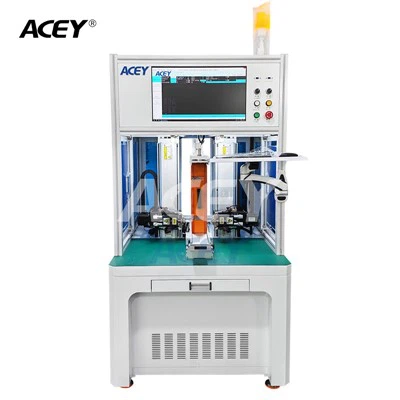
Hey there! As a supplier of Heat Shrinking Machines, I've seen firsthand how crucial it is to optimize these machines' settings for top - notch performance. In this blog, I'll share some tips on how to get the most out of your heat shrinking machine.


First things first, let's talk about temperature. Temperature is the heart and soul of a heat shrinking machine. If it's too low, the shrink film won't shrink properly, leaving your product looking shabby. On the other hand, if it's too high, the film might burn or melt unevenly.
When you're setting the temperature, start by referring to the manufacturer's guidelines for the specific shrink film you're using. Different films have different optimal shrinking temperatures. For example, PVC shrink film usually shrinks well at around 120 - 160 degrees Celsius, while polyolefin shrink film might need a temperature range of 140 - 180 degrees Celsius.
But these are just general guidelines. You'll need to do some testing on a small scale. Take a sample of your product and wrap it with the shrink film. Then, run it through the heat shrinking machine at the recommended temperature. Check how well the film shrinks. If it's not tight enough, you can gradually increase the temperature by a few degrees and test again. Keep doing this until you find the sweet spot where the film shrinks smoothly and tightly around the product.
Another important factor is the conveyor speed. The conveyor is the part of the machine that moves the wrapped products through the heat chamber. If the speed is too fast, the products won't get enough heat exposure, and the film won't shrink completely. If it's too slow, the products might get over - heated, causing the film to look bad or even damage the product itself.
To set the right conveyor speed, you need to consider the size and shape of your products, as well as the type of shrink film. Larger products generally need a slower speed so that they have more time to heat up evenly. For example, if you're shrinking a large box, you might need to set the conveyor speed at around 2 - 3 meters per minute. Smaller products, like individual items, can usually handle a faster speed, maybe around 4 - 5 meters per minute.
Just like with temperature, you should do some trial runs. Start with a medium speed and see how the film shrinks on your products. Adjust the speed up or down based on the results. You can also use a stopwatch to time how long a product spends in the heat chamber at different speeds to get a better understanding of the heat exposure.
Now, let's talk about the heat distribution inside the machine. A well - distributed heat source is essential for consistent shrinking results. Most heat shrinking machines have multiple heating elements, and you need to make sure they're all working properly.
Check the heating elements regularly for any signs of damage or wear. If one element is not working, it can create cold spots in the heat chamber, which will lead to uneven shrinking. You can use an infrared thermometer to measure the temperature at different points inside the chamber. Make sure the temperature variation is within an acceptable range, usually no more than 5 - 10 degrees Celsius.
If you find that the heat distribution is uneven, you might need to adjust the position of the heating elements or clean the reflectors that help direct the heat. Sometimes, dust or debris can accumulate on the reflectors, reducing their effectiveness.
The type of shrink film you use also plays a big role in optimizing the machine settings. There are different types of shrink films available, such as Hot Shrink Wrapping Machine, each with its own properties.
Some films are more stretchy, while others are more rigid. Some have better clarity, and some are more resistant to punctures. You need to choose a film that suits your product and your packaging requirements. For example, if you're packaging fragile items, you might want a film that's more puncture - resistant. If you want your product to look good on the shelf, a film with high clarity would be a better choice.
Once you've chosen the right film, you need to make sure it's loaded correctly into the machine. The film should be fed smoothly through the rollers and guides. If it's not loaded properly, it can cause jams or uneven shrinking.
Let's also not forget about the ventilation in the heat shrinking machine. Good ventilation is important to remove the hot air and any fumes generated during the shrinking process. If the ventilation is poor, the heat inside the machine can build up, which can affect the performance of the machine and even pose a safety risk.
Check the ventilation system regularly to make sure it's clean and working properly. The vents should be free of any blockages. You can also adjust the ventilation settings if your machine allows it. For example, you can increase the fan speed to improve the air circulation.
If you're dealing with cylindrical products, you might want to consider using an Automatic Cylindrical Cell Sleeving Machine. These machines are specifically designed to handle cylindrical shapes and can provide more precise shrinking results.
When using such a machine, you need to pay special attention to the alignment of the product. The product should be centered on the conveyor so that the shrink film shrinks evenly around it. You can use guides or fixtures to ensure proper alignment.
In addition to the above settings, you should also keep your heat shrinking machine well - maintained. Regular cleaning, lubrication, and inspection can prevent many problems. Clean the machine after each use to remove any film residue or debris. Lubricate the moving parts as recommended by the manufacturer to keep them running smoothly.
Now, I know all this might seem a bit overwhelming at first, but with a little practice and patience, you'll be able to optimize the settings of your Heat Shrinking Machine like a pro.
If you're in the market for a new heat shrinking machine or need some advice on optimizing your current one, don't hesitate to reach out. We're here to help you get the best results for your packaging needs. Whether you're a small business or a large - scale manufacturer, we've got the expertise and the products to meet your requirements. So, let's start a conversation and see how we can work together to take your packaging to the next level.
References
- Industry - standard heat shrinking machine manuals
- Shrink film manufacturer guidelines