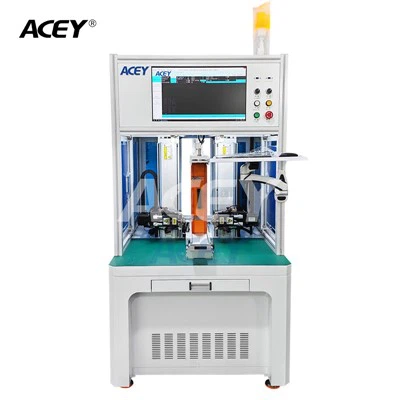
Alright, folks! As a supplier of Battery Integrated Testers, I often get asked about what certifications a good Battery Integrated Tester should have. So, I thought I'd share some insights on this topic.
First off, let's talk about why certifications matter. Certifications are like badges of honor for a product. They show that the tester has met certain standards of quality, safety, and performance. When you're in the market for a Battery Integrated Tester, these certifications can give you peace of mind, knowing that you're getting a reliable and trustworthy product.
One of the most important certifications is the CE certification. The CE mark indicates that the product complies with the essential health and safety requirements of the European Union. This means that the Battery Integrated Tester has been tested and meets the standards for electrical safety, electromagnetic compatibility, and other important factors. If you're planning to sell your testers in the European market or if you want to ensure that your product meets high - quality safety standards, a CE - certified tester is a must. For example, our Battery Integrated Tester comes with CE certification, so you can be sure it's up to the mark in terms of safety and quality.
Another key certification is the UL certification. UL, or Underwriters Laboratories, is a well - known independent organization in the United States that tests products for safety. UL certification is highly regarded in North America and many other parts of the world. A Battery Integrated Tester with UL certification has been thoroughly evaluated to ensure that it doesn't pose any fire, electrical, or mechanical hazards. It gives you an extra layer of confidence when using the tester, especially in industrial or commercial settings.
Then there's the ISO 9001 certification. ISO 9001 is all about quality management systems. A company that has achieved ISO 9001 certification demonstrates that it has a well - defined quality management process in place. This means that from the design and development of the Battery Integrated Tester to its production and after - sales service, every step is carefully controlled to ensure consistent quality. When you buy a tester from a company with ISO 9001 certification, you can expect a high - quality product and good customer service.
In addition to these well - known certifications, there are also some industry - specific certifications. For example, if your Battery Integrated Tester is used for testing lithium - ion batteries, you might want to look for certifications related to lithium - ion battery safety. The IEC 62619 standard, for instance, focuses on the safety requirements for secondary lithium batteries and battery systems for use in industrial applications. A tester that meets this standard can accurately and safely test lithium - ion batteries, reducing the risk of battery - related accidents. Our 200V 150A Charge 300A Discharge Lithium Battery Comprehensive Tester is designed to comply with relevant lithium - ion battery safety standards, ensuring reliable testing results.
Let's also not forget about environmental certifications. In today's world, environmental friendliness is becoming increasingly important. Certifications like RoHS (Restriction of Hazardous Substances) ensure that the Battery Integrated Tester doesn't contain harmful substances such as lead, mercury, cadmium, and certain brominated flame retardants. This not only helps protect the environment but also shows that the manufacturer is committed to sustainable production practices.
Now, you might be wondering how these certifications affect the performance of the Battery Integrated Tester. Well, in a nutshell, they ensure that the tester is accurate, reliable, and safe to use. A certified tester has been tested under strict conditions, so you can trust the test results it provides. For example, a CE - certified tester will have better electromagnetic compatibility, which means it won't interfere with other electronic devices in its vicinity and won't be affected by external electromagnetic interference either. This is crucial when you're conducting precise battery tests.
When it comes to the cost, you might think that certified testers are more expensive. While it's true that getting a product certified does involve some costs for the manufacturer, the long - term benefits far outweigh the initial investment. A certified tester is less likely to break down, which reduces maintenance and replacement costs. It also gives you a competitive edge in the market, as customers are more likely to choose a product with recognized certifications.
If you're in the market for a high - quality Battery Integrated Tester, I highly recommend considering a product with multiple certifications. Our company offers a range of certified testers, including the 60V 30A Charge 300A Discharge Battery Integrated Tester. These testers are designed to meet the highest standards of quality, safety, and performance.
If you have any questions about our Battery Integrated Testers or want to discuss your specific testing needs, don't hesitate to reach out. We're here to help you find the perfect testing solution for your business. Whether you're a small - scale battery manufacturer or a large - scale industrial facility, we have the right tester for you.
In conclusion, when looking for a Battery Integrated Tester, certifications are a crucial factor to consider. They not only ensure the safety and reliability of the product but also give you confidence in the test results. So, make sure to do your research and choose a tester that has the necessary certifications.
References:


- Information on CE certification from the European Union official sources
- UL certification details from Underwriters Laboratories
- ISO 9001 standards documentation
- IEC 62619 standard for lithium - ion batteries
- RoHS regulations and guidelines