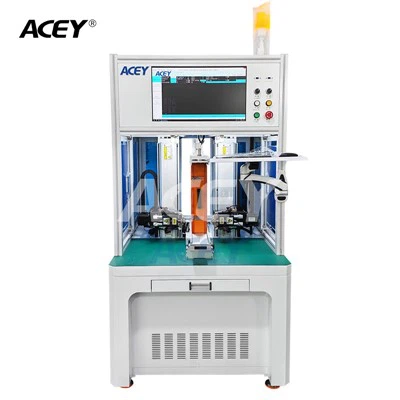
Hey there! As a supplier of PVC Shrinking Machines, I often get asked about the various components and their functions in these machines. One crucial part that plays a significant role is the temperature sensor. In this blog, I'll break down what the temperature sensor does in a PVC Shrinking Machine and why it's so important.
First off, let's understand what a PVC Shrinking Machine is all about. These machines are used to wrap products in PVC shrink film. When heat is applied, the film shrinks tightly around the product, providing a secure and professional-looking packaging. There are different types of PVC Shrinking Machines out there, like the Hot Shrink Wrapping Machine, Automatic Heat Shrink Machine, and Heat Shrinking Machine. Each of them has its own features and applications, but they all rely on proper temperature control to work effectively.
So, what's the deal with the temperature sensor? Well, its main job is to monitor and regulate the temperature inside the shrinking chamber of the machine. You see, PVC shrink film has a specific temperature range at which it shrinks properly. If the temperature is too low, the film won't shrink enough, leaving the product loosely wrapped. On the other hand, if the temperature is too high, the film might over - shrink, tear, or even melt, ruining the packaging and potentially damaging the product.
The temperature sensor constantly measures the temperature in the shrinking chamber. It sends this information to the machine's control system. The control system then compares the measured temperature with the pre - set temperature value. Based on this comparison, it decides whether to increase or decrease the heat output of the heating elements in the machine.
Let's say you've set the desired temperature for shrinking a particular type of PVC film to 120 degrees Celsius. The temperature sensor keeps an eye on the actual temperature inside the chamber. If it detects that the temperature has dropped to 110 degrees Celsius, it signals the control system. The control system then tells the heating elements to increase their heat output until the temperature reaches the set 120 degrees Celsius again.
This real - time monitoring and adjustment are crucial for consistent and high - quality packaging. Without a reliable temperature sensor, it would be extremely difficult to achieve the right shrinkage every time. You'd end up with a lot of wasted film and products that don't look presentable.
Another important aspect is energy efficiency. A good temperature sensor helps the machine use energy more efficiently. By accurately controlling the temperature, the machine doesn't waste energy by overheating. It only uses as much energy as needed to maintain the optimal shrinking temperature. This not only saves on electricity costs but also reduces the environmental impact of the packaging process.
In addition to ensuring proper shrinkage and energy efficiency, the temperature sensor also helps in protecting the machine itself. Overheating can cause damage to the heating elements, the electrical components, and other parts of the machine. The sensor acts as a safeguard by preventing the temperature from rising to dangerous levels. If the temperature gets too high, it can trigger an alarm or shut down the machine to avoid any serious damage.
Now, let's talk about the different types of temperature sensors used in PVC Shrinking Machines. One common type is the thermocouple. Thermocouples are relatively inexpensive and can measure a wide range of temperatures. They work based on the principle that when two different metals are joined together, a voltage is generated that is proportional to the temperature difference between the two junctions.
Another type is the resistance temperature detector (RTD). RTDs are more accurate than thermocouples, especially in a narrow temperature range. They work by measuring the change in electrical resistance of a metal wire as the temperature changes.


The choice of temperature sensor depends on several factors, such as the required accuracy, the temperature range, and the cost. For most standard PVC Shrinking Machines, a thermocouple is sufficient. But for high - precision applications or machines that need to operate within a very narrow temperature range, an RTD might be a better option.
Maintaining the temperature sensor is also important. Over time, the sensor can get dirty or damaged, which can affect its accuracy. Regular cleaning and inspection can help ensure that the sensor is working properly. If you notice any signs of malfunction, such as inaccurate temperature readings or inconsistent shrinkage, it's a good idea to have the sensor checked or replaced.
In conclusion, the temperature sensor is an essential component of a PVC Shrinking Machine. It plays a vital role in ensuring proper shrinkage, energy efficiency, and the protection of the machine. Whether you're using a Hot Shrink Wrapping Machine, an Automatic Heat Shrink Machine, or a Heat Shrinking Machine, a reliable temperature sensor is key to getting high - quality packaging results.
If you're in the market for a PVC Shrinking Machine or need to replace a temperature sensor in your existing machine, don't hesitate to reach out. We're here to help you find the right solution for your packaging needs. We can provide you with more information about our machines, the temperature sensors they use, and how to ensure they work at their best. Contact us today to start a conversation about your packaging requirements and let's work together to get the perfect shrink - wrapped products.
References:
- Packaging Machinery Handbook: Covers general information about packaging machines and their components.
- PVC Shrink Film Technical Guides: Provide details about the temperature requirements for different types of PVC shrink films.