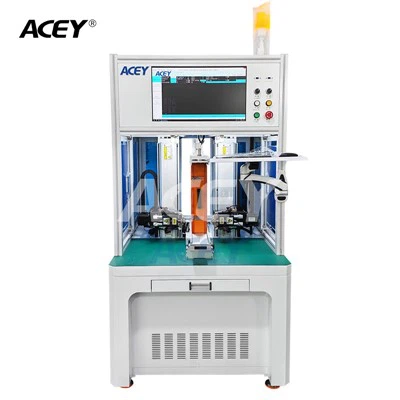
Hey there, folks! I'm working with a top - notch comprehensive tester supplier, and today I'm super excited to chat about the various types of tests that a comprehensive tester can perform. These bad boys are real powerhouses in the world of battery testing and beyond. Let's dive right in!

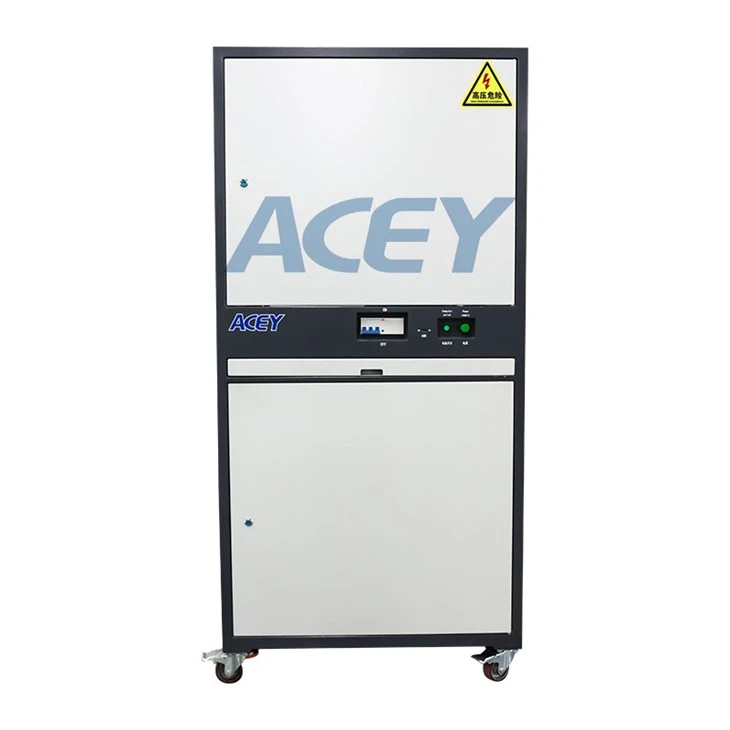
Electrical Parameter Testing
When it comes to electrical parameter testing, comprehensive testers are like the detectives of the battery world. They can measure key electrical characteristics to make sure a battery is performing as it should.
Voltage Testing
Voltage is a fundamental aspect of a battery's performance. A comprehensive tester can accurately measure the battery's open - circuit voltage (OCV). This is the voltage of the battery when it's not connected to any load. By measuring OCV, we can get an initial idea of the battery's state of charge. For example, a fully charged lead - acid battery typically has an OCV around 12.6 - 12.8 volts. If the measured OCV is significantly lower, it could indicate a partially discharged or faulty battery.
Our company offers some great options for voltage testing, like the 120V 50A 600A Battery Comprehensive Tester. This bad boy can handle a wide range of voltage measurements, making it suitable for various battery types and applications.
Current Testing
Current is another crucial parameter. A comprehensive tester can measure the charging and discharging currents of a battery. During charging, it's important to monitor the current to ensure that the battery is not being overcharged, which can lead to reduced battery life and even safety hazards. On the discharge side, measuring the current helps in understanding the battery's discharge rate and capacity.
Take our 100V 30A 120A Battery Comprehensive Tester, for instance. It's capable of accurately measuring currents at different levels, providing valuable data for battery analysis.
Resistance Testing
Internal resistance is a critical factor affecting a battery's performance. A high internal resistance can result in power losses, reduced efficiency, and overheating. Comprehensive testers can measure the internal resistance of a battery, helping to identify potential problems. For example, an increase in internal resistance over time may indicate battery aging or damage.
Performance Testing
Beyond basic electrical parameters, comprehensive testers also perform in - depth performance tests to evaluate a battery's real - world capabilities.
Capacity Testing
Capacity is the amount of charge a battery can store and deliver. A capacity test is essential to determine if a battery meets its rated capacity. During a capacity test, a comprehensive tester discharges the battery at a constant current until it reaches a specified cut - off voltage. The total amount of charge delivered during this process is the battery's actual capacity.
Our 60V 30A Charge 300A Discharge Battery Integrated Tester Manufacturer offers excellent capacity testing capabilities. You can set different discharge currents and cut - off voltages according to your specific requirements.
Cycle Life Testing
Batteries go through multiple charge - discharge cycles during their lifespan. Cycle life testing simulates these real - world usage scenarios. A comprehensive tester will repeatedly charge and discharge the battery, monitoring its performance at each cycle. This helps in understanding how the battery's capacity, voltage, and other parameters change over time. By analyzing the results of cycle life testing, manufacturers can improve battery designs and users can estimate the battery's service life.
Safety Testing
Safety is of utmost importance when it comes to batteries. Comprehensive testers can perform several safety - related tests to ensure that batteries are safe to use.
Over - charge and Over - discharge Testing
Over - charging or over - discharging a battery can cause serious problems, including thermal runaway, leakage, and even explosion. A comprehensive tester can simulate over - charge and over - discharge conditions to check how the battery responds. For example, it can gradually increase the charging voltage beyond the normal level to see if the battery can withstand such conditions without any safety issues.
Short - circuit Testing
Short - circuits are a common safety concern in batteries. A comprehensive tester can create a short - circuit situation in a controlled environment to evaluate the battery's ability to handle it. This involves connecting the battery terminals with a low - resistance path and monitoring the battery's behavior, such as temperature rise and voltage drop.
Environmental Testing
Batteries are used in a wide range of environments, from extreme cold to scorching heat. Comprehensive testers can perform environmental tests to assess how batteries perform under different conditions.
Temperature Testing
Temperature has a significant impact on battery performance. A comprehensive tester can place the battery in a temperature - controlled chamber and measure its performance at different temperatures. For example, at low temperatures, a battery's capacity and power output may decrease. By understanding how a battery performs at different temperatures, users can select the right battery for their specific environmental conditions.
Humidity Testing
High humidity can cause corrosion and other problems in batteries. A comprehensive tester can expose the battery to different humidity levels and monitor its performance over time. This helps in determining the battery's resistance to humidity and developing appropriate protective measures.
Compatibility Testing
If you're using a battery in a specific device or system, it's crucial to ensure compatibility. Comprehensive testers can perform compatibility tests to make sure the battery works well with the intended application.
For example, they can test the battery's charging and discharging characteristics in combination with the device's power management system. This helps in preventing issues like over - charging, under - charging, or improper power delivery.
So, there you have it, a rundown of the different types of tests that a comprehensive tester can perform. These tests are essential for battery manufacturers, quality control departments, and anyone who wants to ensure the safety and performance of their batteries.
If you're in the market for a comprehensive tester or have any questions about battery testing, don't hesitate to reach out. We're here to help you find the perfect solution for your needs. Whether you're dealing with small consumer batteries or large industrial batteries, our comprehensive testers can provide accurate and reliable results.
Let's start a conversation about your specific requirements and see how we can assist you in getting the best battery testing equipment.
References
- Battery Testing Handbook: A guide to battery testing methods and equipment