


The answer is that lithium batteries do not need to be fully discharged before recharging. The specific reasons are as follows:
The characteristics of lithium batteries are that they do not have a memory effect and do not require complete discharge before recharging like nickel-cadmium batteries. In addition, deep discharge can damage the structure of the positive and negative electrode materials in lithium batteries, reducing the space for lithium ions to intercalate and de-intercalate, thereby decreasing the battery's capacity and lifespan.
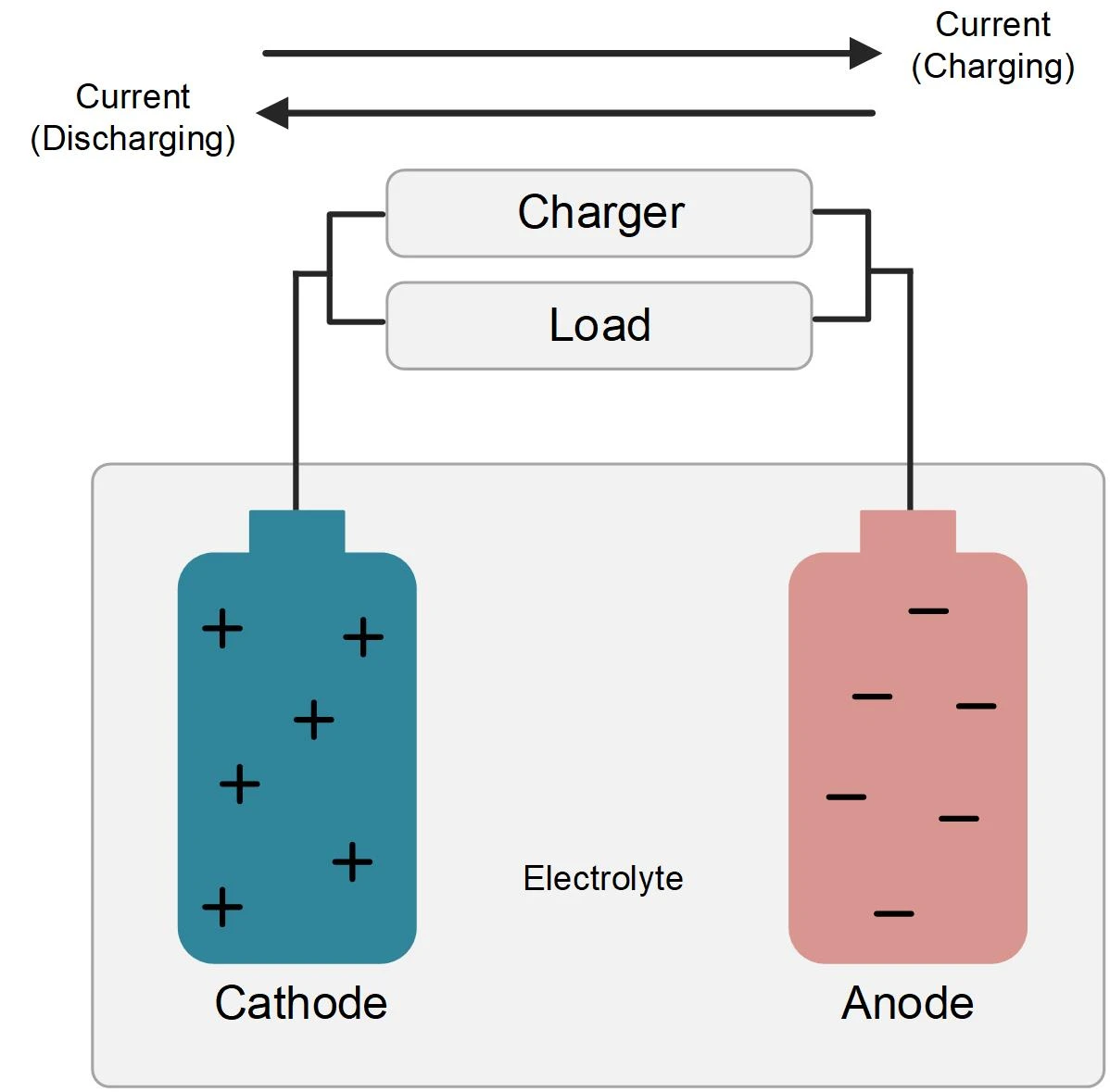
The best charging and discharging practices should be:
1. Shallow charge and shallow discharge: It is recommended to keep the battery level between 20% - 90%, avoiding deep discharge. This charging method is conducive to extending the cycle life of the battery. While frequent deep discharge is not recommended, a complete charge and discharge cycle can be performed every 3 - 6 months to regularly calibrate and assist the battery management system.
ACEY-BCT503-512H Battery Charge Discharge Tester is used to test the formation, capacity and performance parameters of lithium batteries. It is a master-slave battery integrated test system composed of computers and equipment single-chip microcomputers. It has advanced structure, reliable performance, convenient operation, high efficiency, and extremely High cost performance is an indispensable production and testing equipment for lithium battery manufacturers, sub-capacity manufacturers and scientific research units.
2. Charge in time: Recharge promptly when the battery level drops below 20% to avoid over-discharging. Avoid overcharging: Try not to fully charge the battery to 100%, as overcharging can also damage the battery.
3. Long-term storage: If a lithium battery is not used for a long time, it is advisable to keep the charge around 50% and store it in a cool, dry place.The optimal charging cycle for lithium-ion batteries is to maintain the charge between 20% and 80%: do not let the battery level drop below 20%, as deep discharge will accelerate battery aging, and also try to avoid charging the battery to 100% unless necessary. This practice can maximize the battery's lifespan by reducing stress on internal components and minimizing aging.
In summary, the best way to use lithium batteries is "charge whenever used," avoiding deep discharging and overcharging. Following these guidelines can significantly extend the lifespan of lithium-ion batteries and maintain their performance.


